
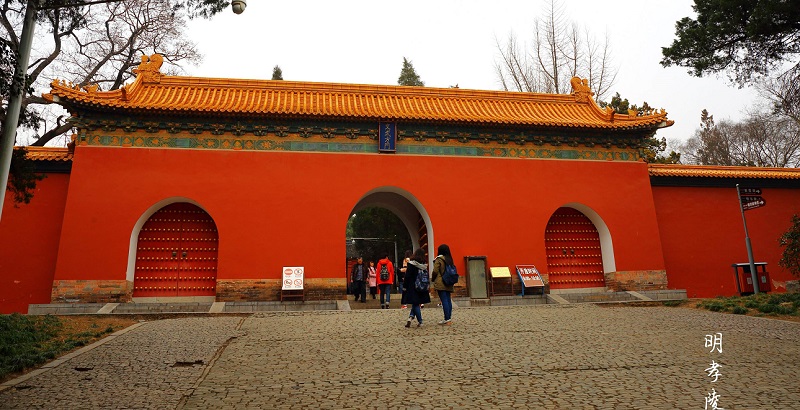
Xiaoling Mausoleum of Ming Dynasty
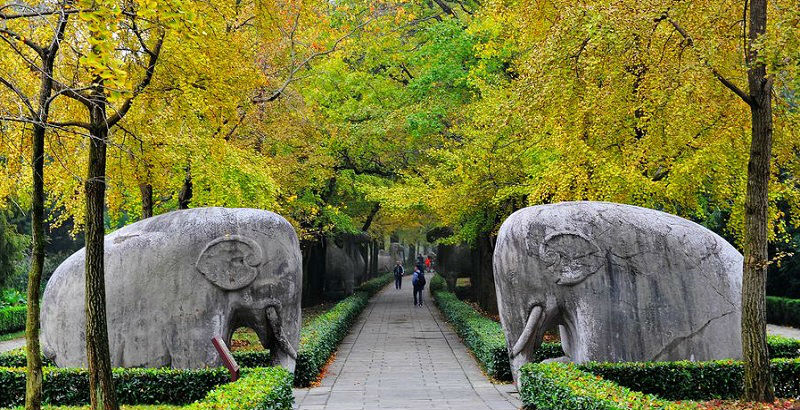
Xiaoling Mausoleum of Ming Dynasty
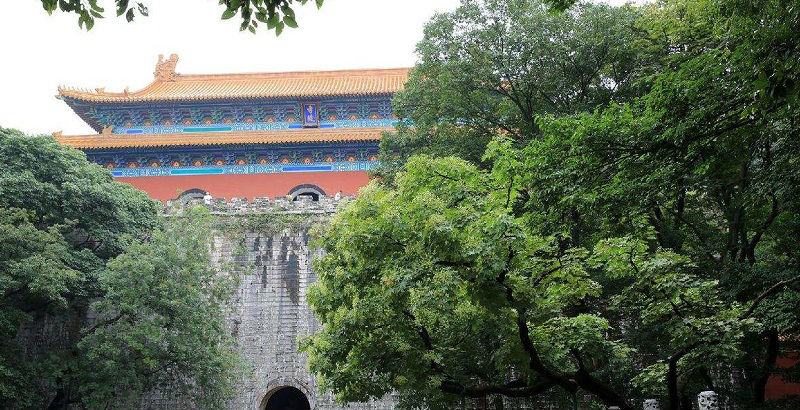
Xiaoling Mausoleum of Ming Dynasty
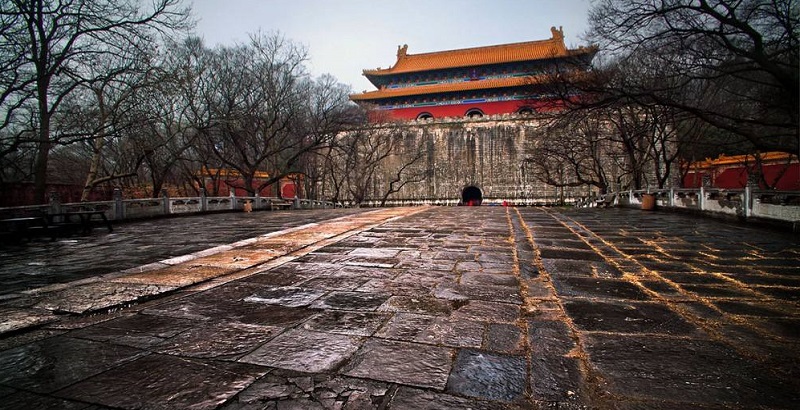
Xiaoling Mausoleum of Ming Dynasty
Xiaoling Mausoleum of Ming Dynasty
Xiaoling Mausoleum of Ming Dynasty
Xiaoling Mausoleum of Ming Dynasty
Xiaoling Mausoleum of Ming Dynasty
Xiaoling Mausoleum of Ming Dynasty
.png)
Tour Code : C2139
.png)
Type : Historic sites
.png)
City / Province : Nanjing
.png)
Built in : 1381 B.C
Xiaoling Mausoleum of Ming Dynasty
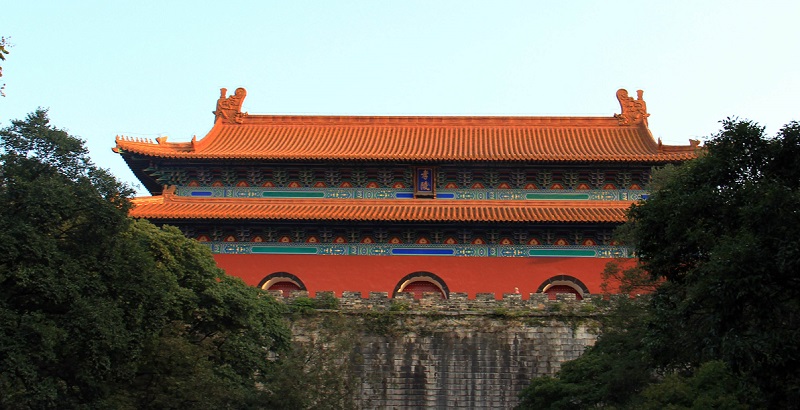
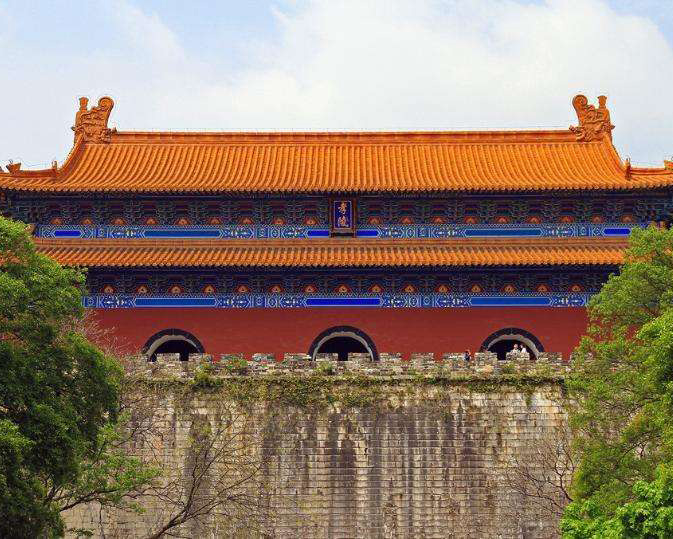
Xiaoling Mausoleum of Ming Dynasty is located at peak Dulongyuanwan, south hill of Zijinshan, District Xuanwu, City Nanjing. The east faces to the Dr. Sun Yat-sen's Mausoleum and the south faces to Mountain Meihua. It is inside the Zhongshan scenic area. It is a mausoleum of emperor Zhu and his empress. Because the empress was reputed as Cixiaogao, and worship “the loyalty to parents”, so her mausoleum was reputed as Xiaoling. The mausoleum covers area over 1700 thousands square meters and one of the biggest mausoleum in china.
Xiaoling Mausoleum of Ming Dynasty was built in 14 Hongwu(1381) and completed in 3 Yongle (1405), it mobilize 100 thousand labors to built and last 25 years. It combine nature and human being into one. It is an ideal case of mixing cultural arts and natural environment. Xiaoling Mausoleum of Ming Dynasty is listed as the first mausoleum of Ming tombs. It is on behalf of the highest achievement of architecture and stone carving of Ming dynasty. It had a big influence on over 20 mausoleums in Ming and Qing dynasty.The mausoleums in Beijing, Hubei, Liaoning, Hebei all had the same style and model mausoleum. Xiaoling Mausoleum of Ming Dynasty played an important role in the development of mausoleum history and listed as the first tomb in Ming and Qing dynasty. In March 1961, Xiaoling Mausoleum of Ming Dynasty is listed as the national key protection relics. In 2003, it is listed as world cultural heritage by UNESCO; in Dec. 2006, it is listed as the national key scenery spots and national 5A tourist spots.
Xiaoling Mausoleum of Ming Dynasty has two discreet sections: One is the Sacred Way area and the other is the main body of the mausoleum itself. At the entrance to the mausoleum, you will see the Dismounting Archway. Not far from the entrance is the Tablet Pavilion called Si Fang Cheng. Here a majestic tablet was erected by order of Emperor Zhu Di, the fourth son of Zhu Yuanzhang, to eulogize his father's merits and virtues. The tablet is carried by Bixi, a legendary animal in the shape of a tortoise.
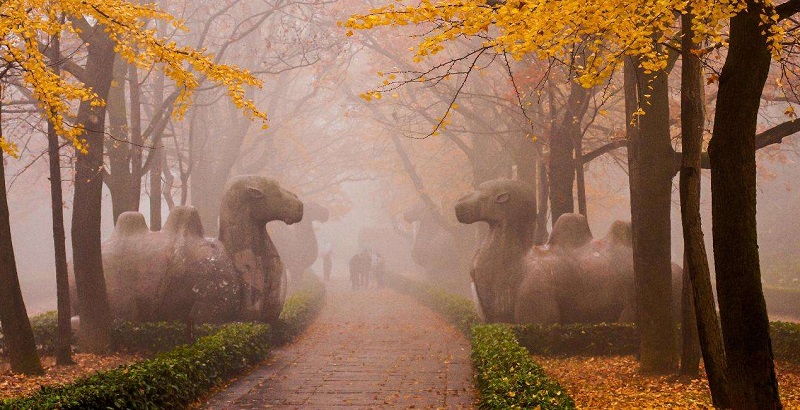
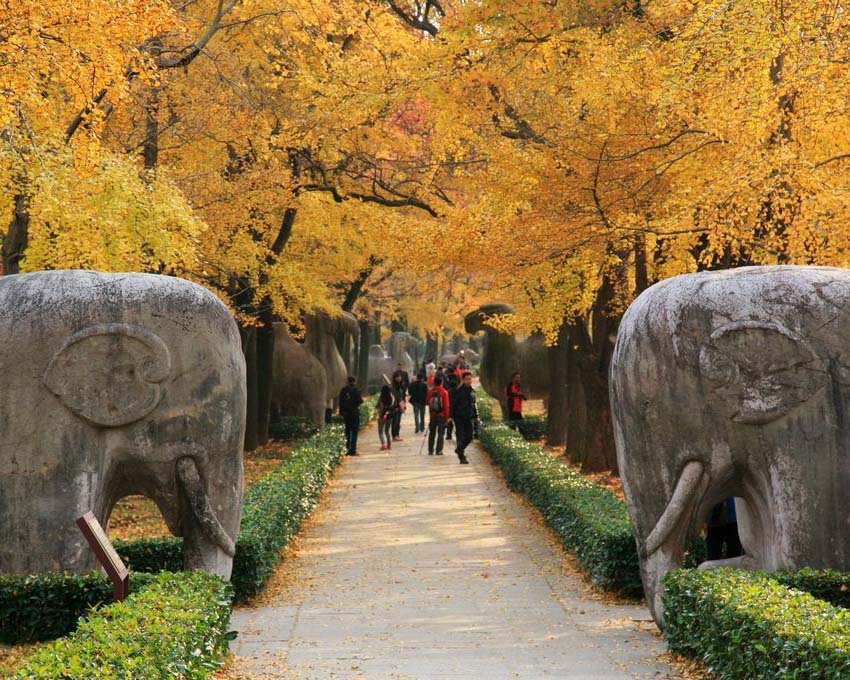
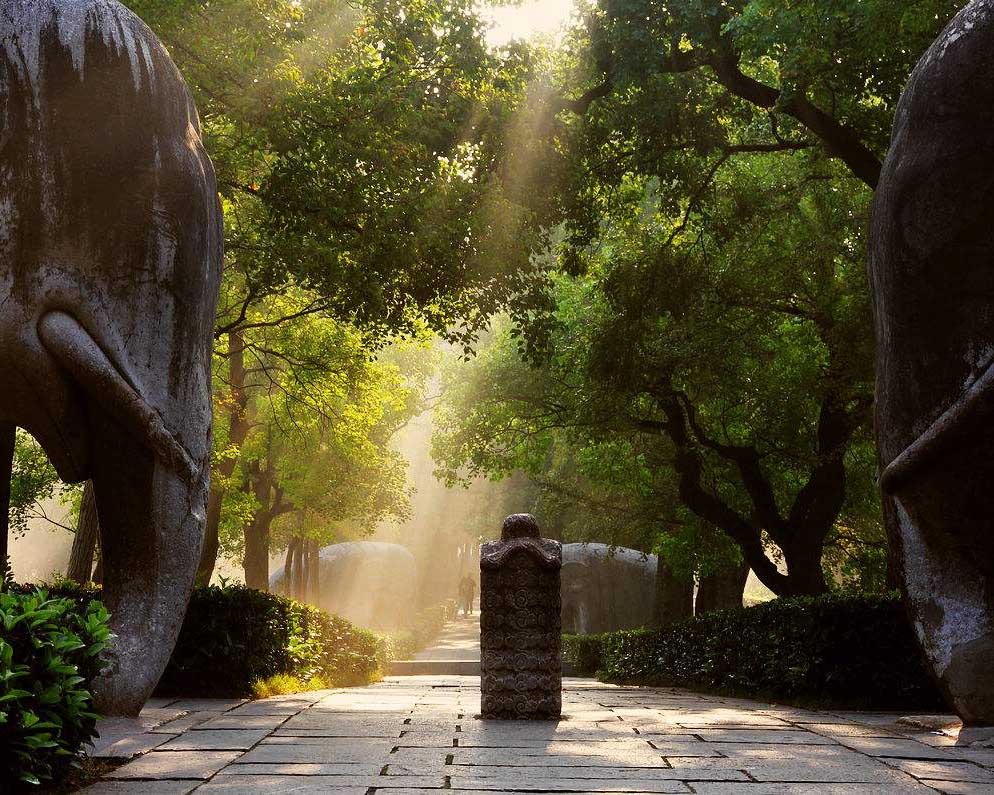
Walking northwesterly across the bridge, you will see the winding 1800-meter long Sacred Way which is lined with several pairs of stone sculptured animals guarding the tomb. Each animal is postured differently and each conveys an auspicious meaning.
Continuing north along the Sacred Way, you will reach the main body of the mausoleum. You will see the Golden Water Bridge (Jin Shui Qiao) and arrive at the main gate named Wen Wu Archway. You next arrive at the Xiao Ling Hall, the main structure of the mausoleum. It was rebuilt in the Qing Dynasty (1644-1911) and was smaller in size than the original. Figures of Emperor Chengzu and Queen Ma are hanging inside on the wall. Then you will come to Fang Cheng (a castle-like building) and Ming Lou (a structure built in palace style with four walls left only). The last part is Bao Cheng and the tomb of Emperor Chengzu and Queen Ma is just beneath.
Got Question & Quick Answer
.png)
.png)
CONTACT INFO
PHONE:
EMAIL:
marcopolo@chinatoursnet.comWhatsApp:+86-13683536536iMessage:+86-13683536536
ADDRESS:
Room 208,Business Building AQiantongtian.Longgang Road,Haidian district,Beijing
WeChat:chinatoursnetSkype:chinatoursnet@outlook.com
WHY CHOOSE US

1:We are in Beijing
2:No hidden fees
3:Downtown hotel
4:professional tour guildes and drivers
5:Flexible tour time,private tour group,customized tour service
6:free mineral water
7:Guarantee enough visiting time
8:Guarantee your satisfactory with your choice
HELPFUL REFS
FOLLOW US ON WECHAT
.png)
JOIN US ON
.png)
.png)
.png)
.png)