Itinerary

ADD

Cost Description

FAQ

Group Tour

  • Initiate or Join Group Tour
  • Flash Sale
  • Free Tour
  • According to your travel date, No booking number of people limit, please click initiate group tour booking to waiting others join the tour, we will inform you by email of the finally number of people join the tour.

  • You can also choose your travel date according to our existing group tour, please click to join the tour.

  • We will charge you the lowest group price as a deposit, and the final price will be determined according to the number of group members. 

  • The final payment will be paid before your departure date by Paypal or Credit Card. 

  • This is the best way for you to save money and enjoy a pleasant China tour. 

  • In order to form a group as soon as possible, please share this tour details to your circle of friends and social media.

Our company offers you unforgettable travel at do not calculate the cost price, Please make sure to share our website and your travel videos and photos. Thank you

If you are a travel expert or famous blogger, write 3 travel blogs for our website and travel video, share our travel to bring no less than 20 real registered traffic and can apply for our free group tour Excluding hotel expenses.

The number of members who complete the membership registration requirements within 24 hours can get free travel, which is invalid if it is out of time.

6 Days China Tour of Cultural Experience in Beijing Chengde Tianjin

  • Private Tour

Price Per Person in USD

Booked by 0 travelers

5 Stars

Hotel+Tour

4 Stars

Hotel+Tour

3 Stars

Hotel+Tour

Only

Tour Fee

1 person

$1248

$0

2 person

$774

$0

3 person

$640

$0

4 person

$571

$0

5 person

$517

$0

6 person

$466

$0

7 person

$445

$0

8 person

$419

$0

9 person

$403

$0

≥10 person

$388

$0

Highlights

Soak in the vibrant pulse of Beijing and walk on the Great Wall among other city highlights on this private tour and enjoy 6 days of access to China's major sights and out-of-the-way gems with the freedom to choose those sites that interest you. Get familiar with bustling Chengde, have close encounters with the summer resort there, say hello to the famous cultural ancient street and savor your appetite in Tianjin. The experience is so rich and incredible, and you may not want to go back home.

Tour Itinerary Open All
1 2 3 4 5 6
1

Day 1 Beijing

Meet our driver when you arrive at Beijing airport, then head to your hotel for checking in. Take a relaxing rest before embarking on an interesting adventure.


:

2

Day 2 Beijing

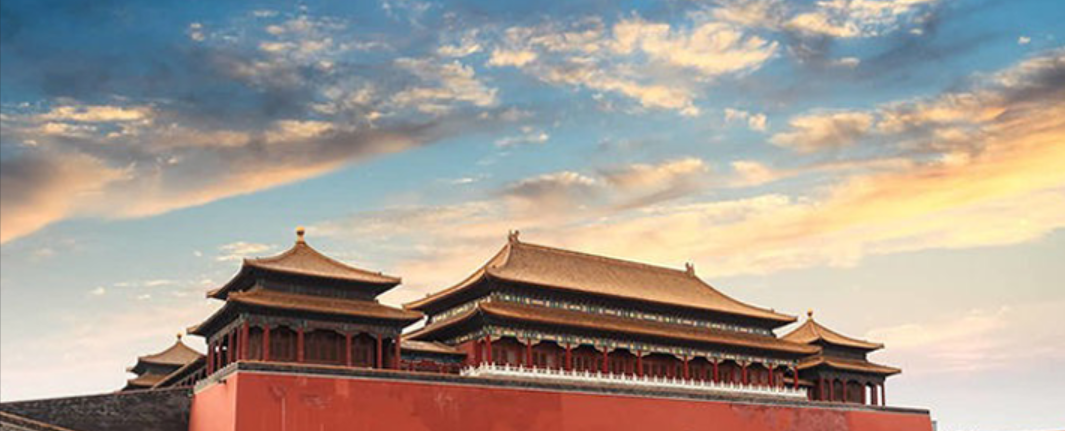
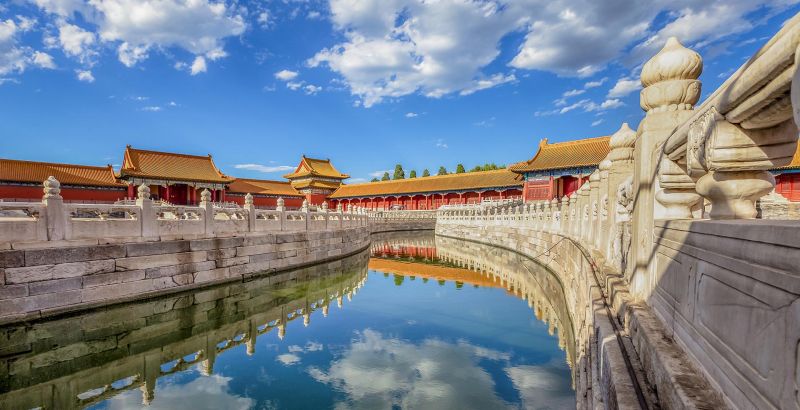
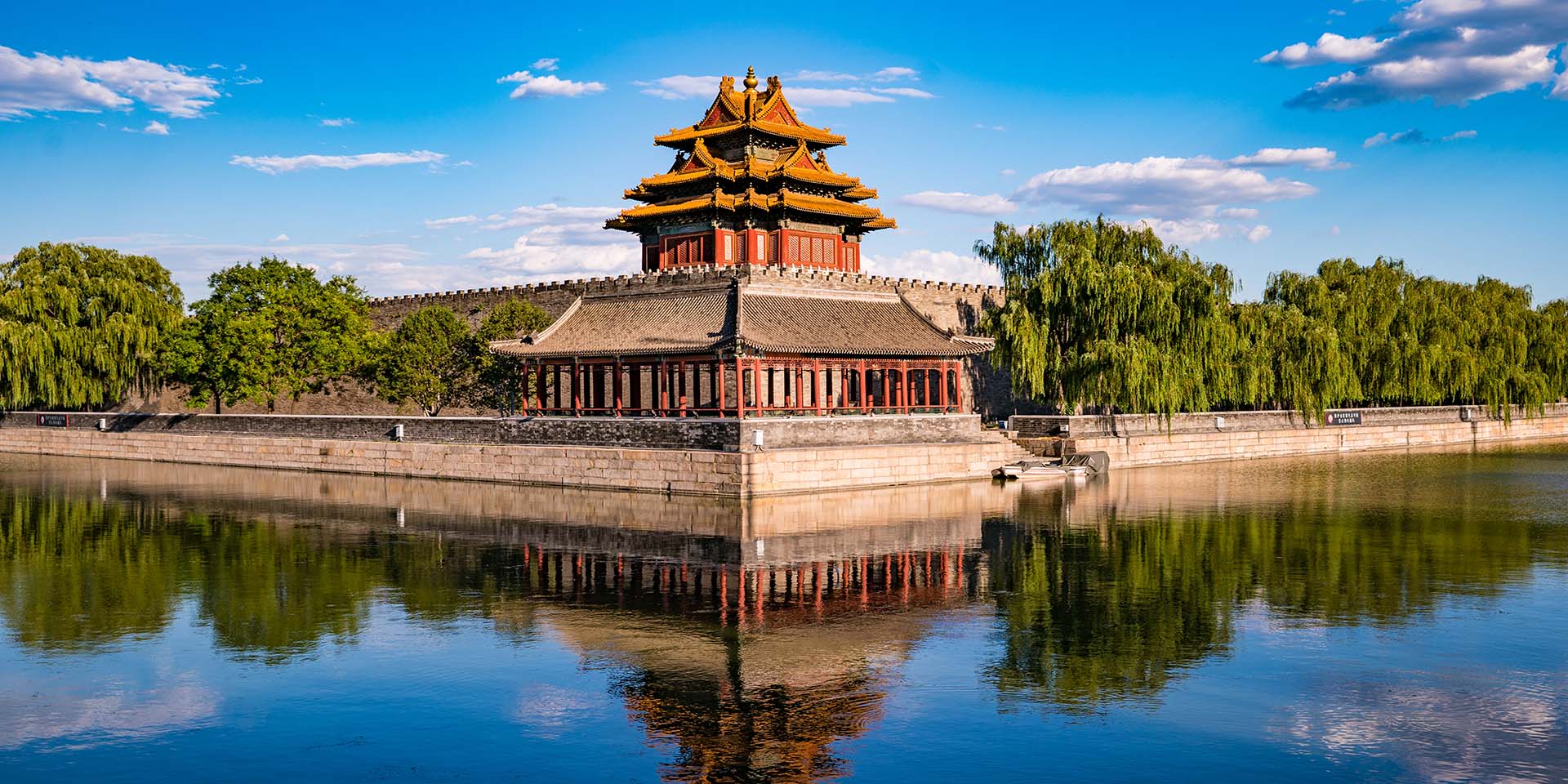
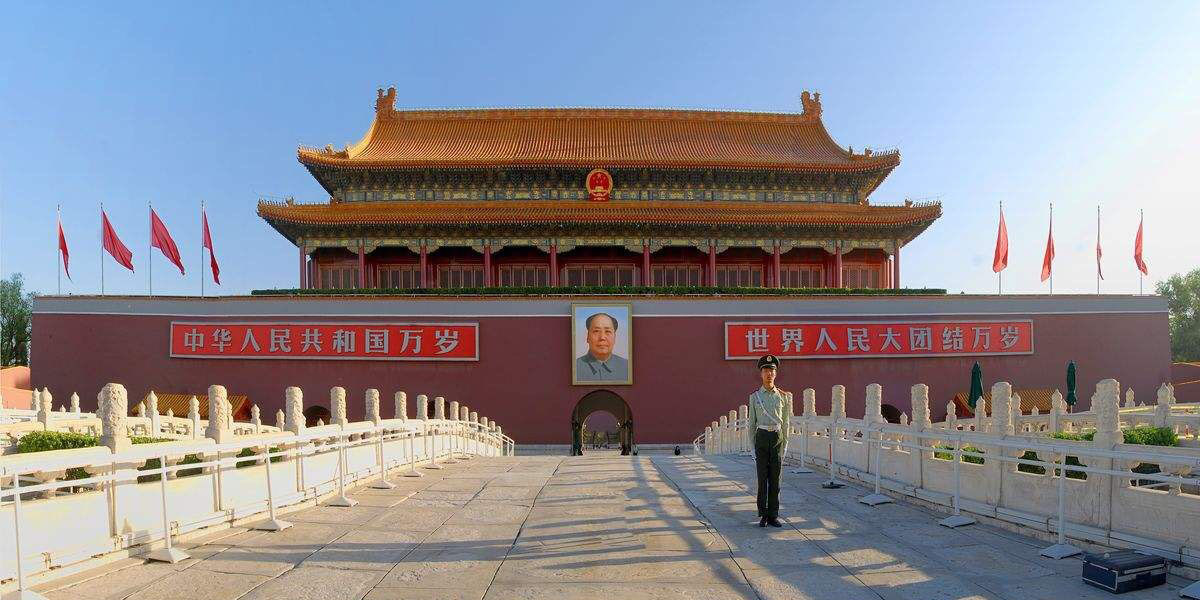
After breakfast, our local tour guide accompanies you to visit and explore Tiananmen Square, which is a globally recognized biggest public square. Then move to the Forbidden City, the largest palatial complex that boasts of over 980 rooms which are the living palace for the royalty.

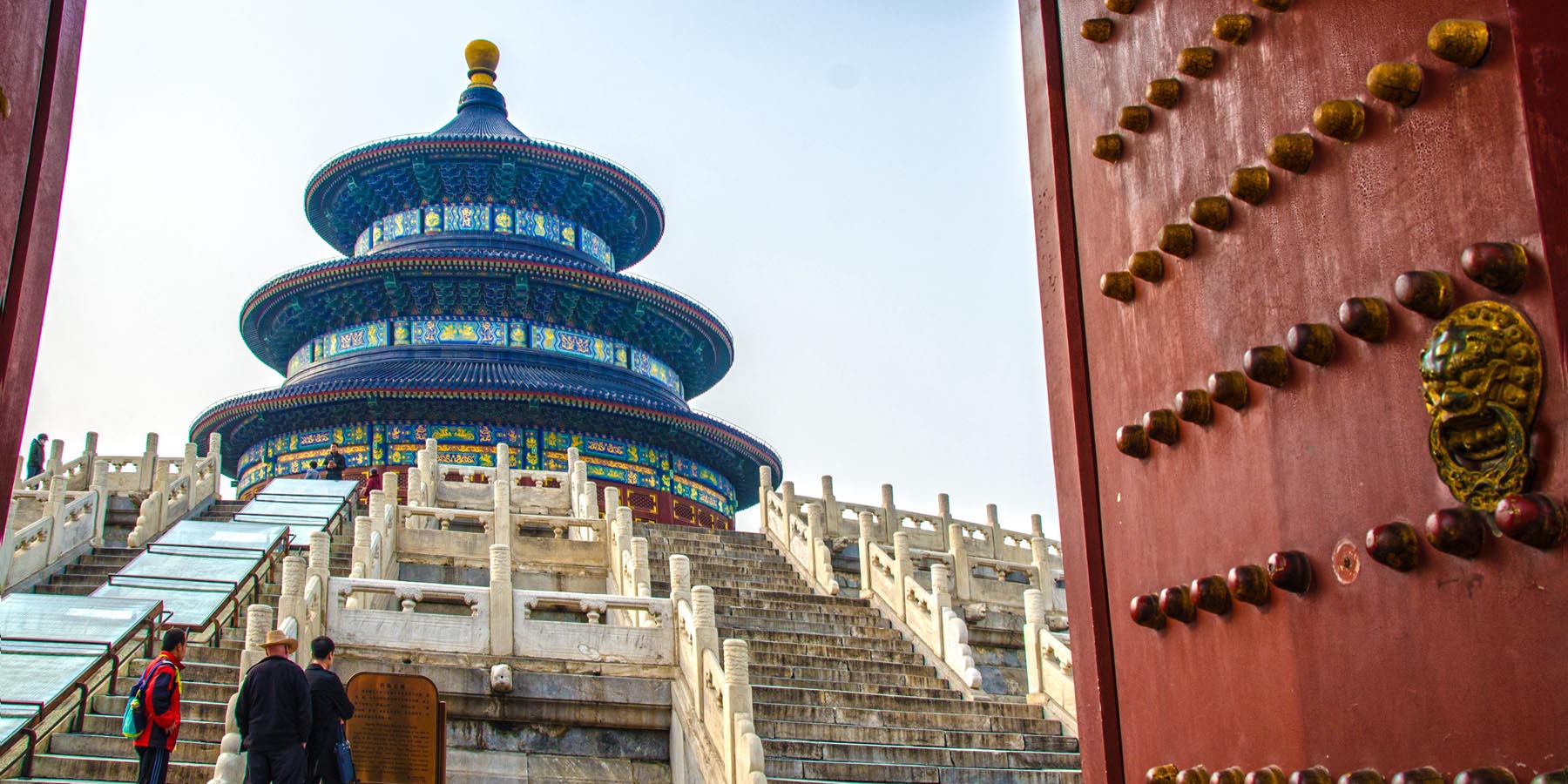
Take a break and savor delicious Chinese food for lunch then go to a silk factory. Then continue to visit the Temple of Heaven used for paying homage to God in the ancient time, now it becomes a bustling place for locals who take part in traditional activities such as Tai Chi, water calligraphy and dancing.

:

Lunch

Scenic spots included in the itinerary
Forbidden City

Tiananmen Square

Temple of Heaven

3

Day 3 Beijing

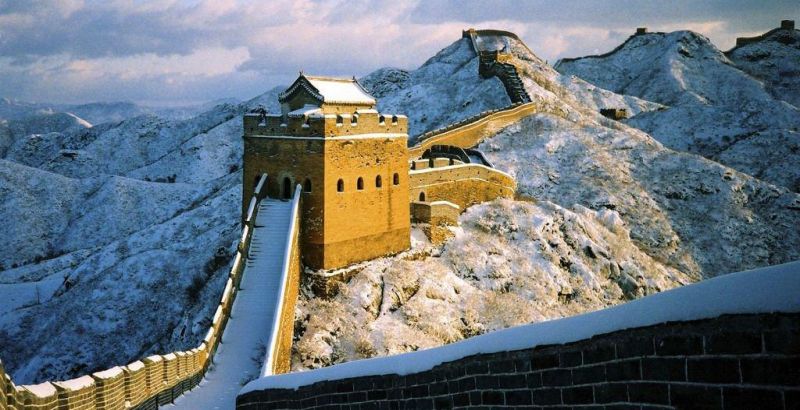
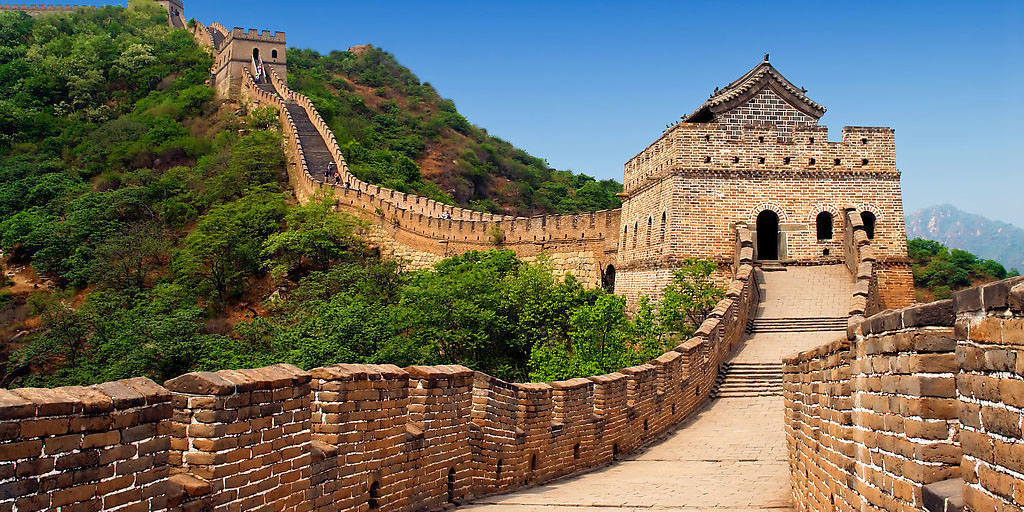
After breakfast, enjoy a scenic drive to Badaling Great Wall then hike or ride the cable car along the stone step to the top of the wall to get a view of the whole Badaling construction and surroundings blending in an amazing way. Enjoy the views from up there and take great selfies before wefor an authentic lunch in a local restaurant.to a jade factory to know about these traditional goods.

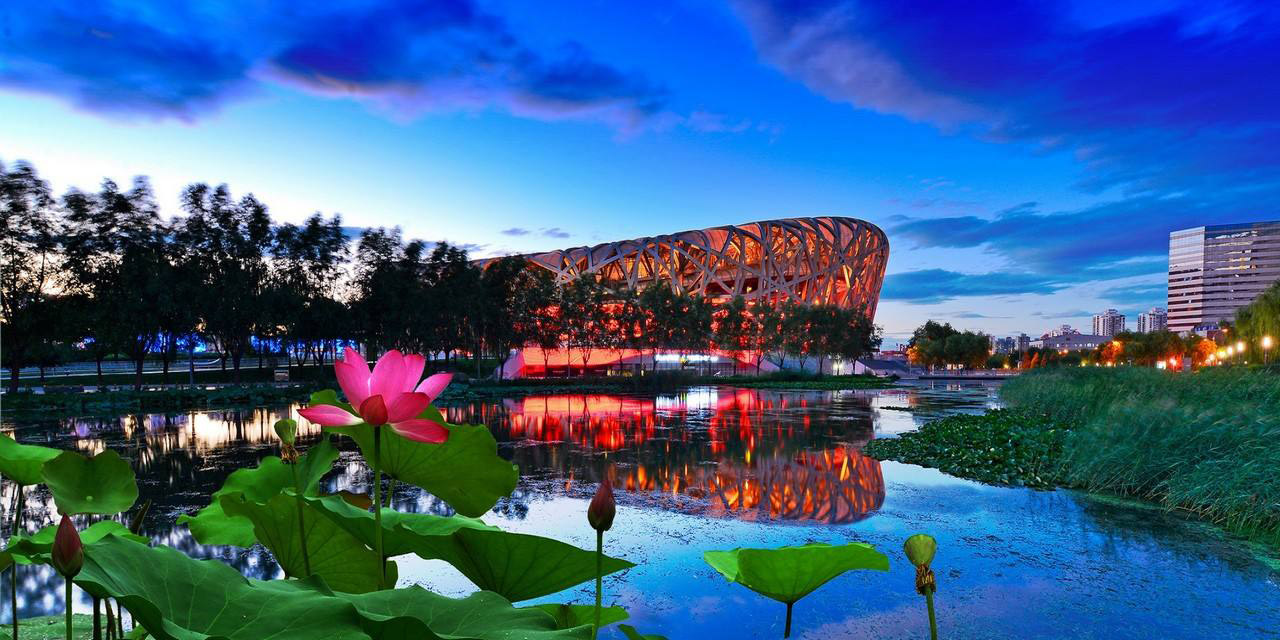
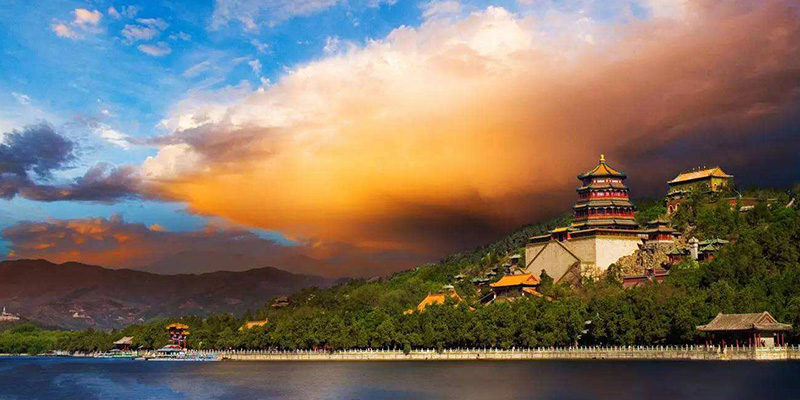
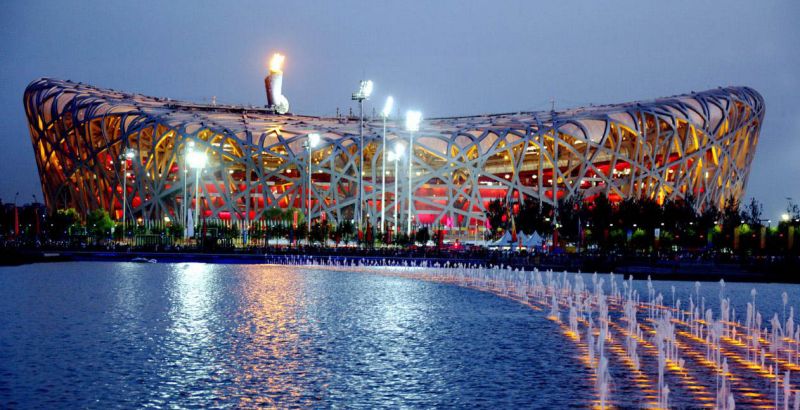
In the afternoon, we start off at the Summer Palace , the largest and most beautiful imperial garden to acknowledge its natural landscape of Longevity Hills blended with artificial features such as pavilions, bridges andmake a stop at the 2008 Beijing Olympic Park for an exterior view of the monumental Bird's Nest and Water Cube. This will mark the end of the day tour by dropping you off at the hotel.

:

Lunch

Scenic spots included in the itinerary
Badaling Great Wall

Beijing Olympic Park

Summer Palace

4

Day 4 Beijing-Chengde by Private Vehicle

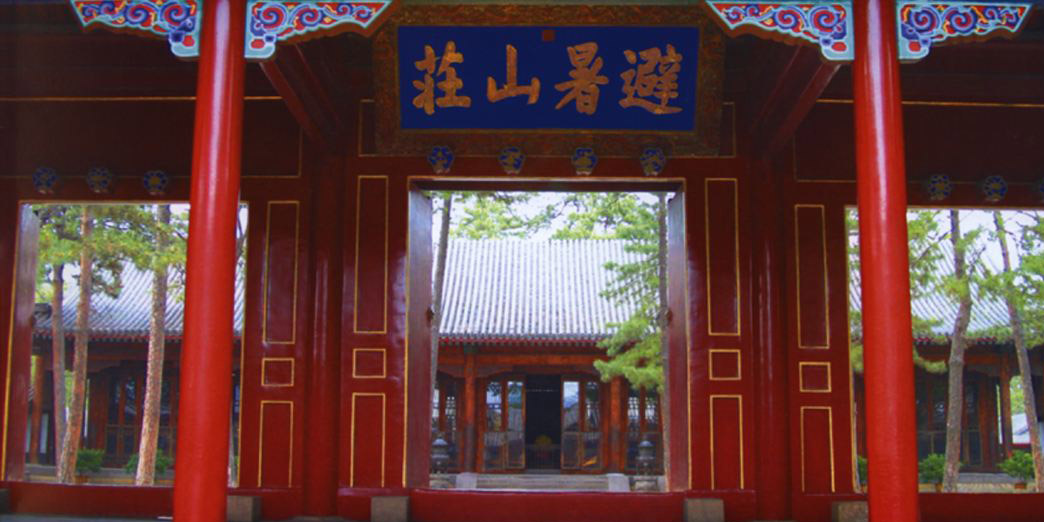
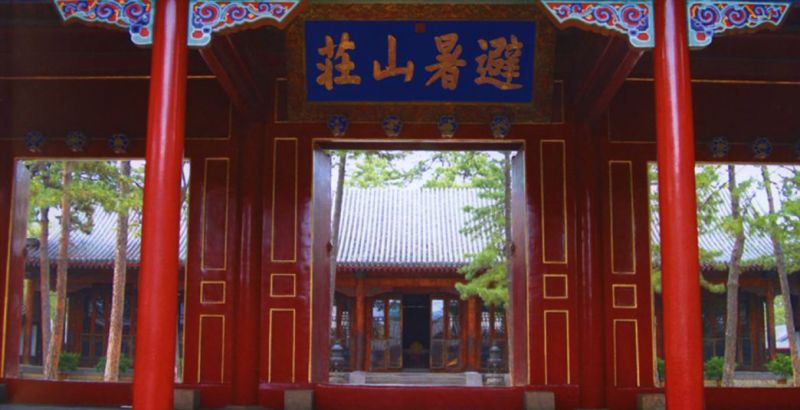
After breakfast, it will take 3-4 hours to drive to Chengde. Upon arrival, we'll visit the famous summer retreat at the Imperial Mountain Resort, the largest royal garden in China. Appreciate the aesthetic value of this rare scenic spot that was also marked the final development of feudal society in China. 

:

Lunch

Scenic spots included in the itinerary
Chengde Imperial Mountain Resort

5

Day 5 Chengde-Tianjin by Private Vehicle

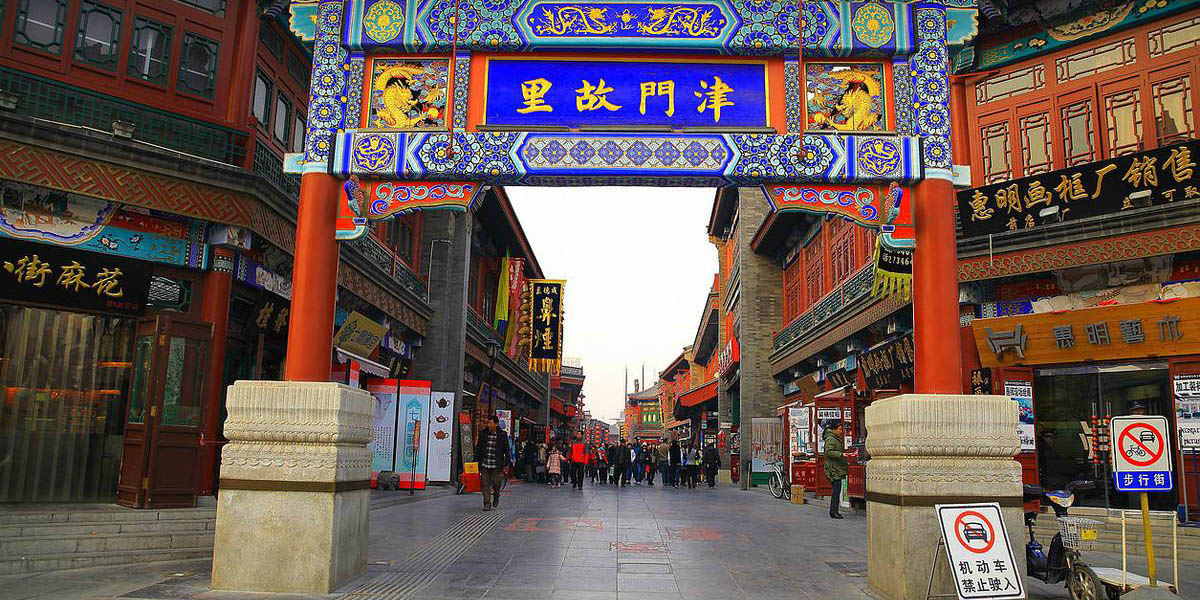
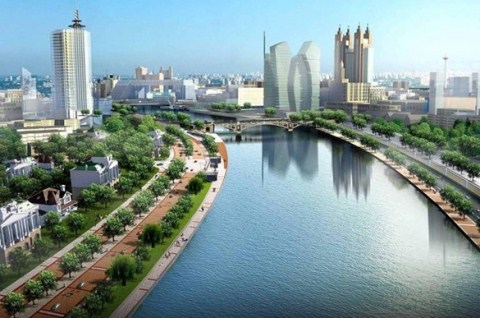
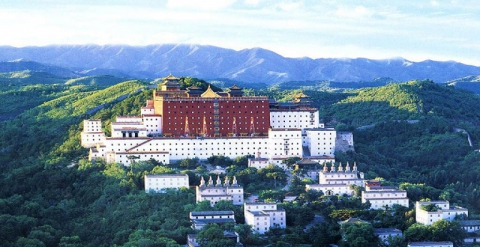
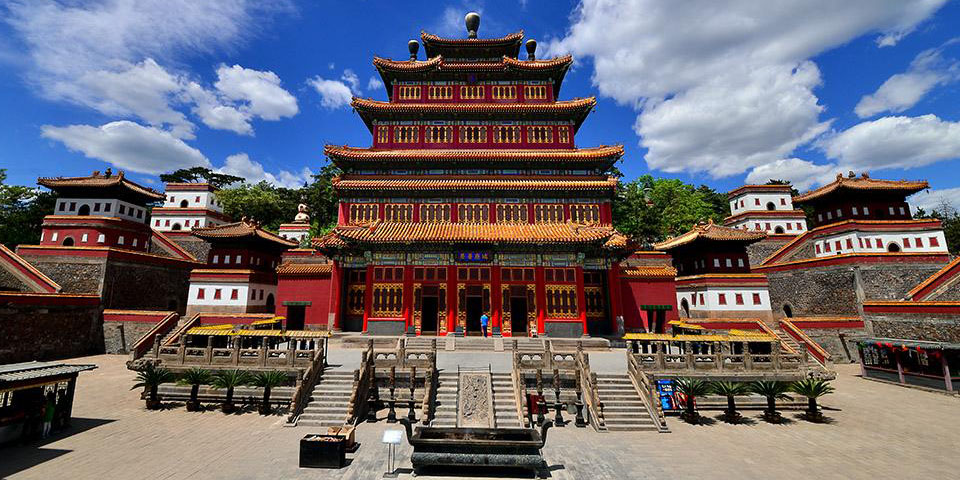
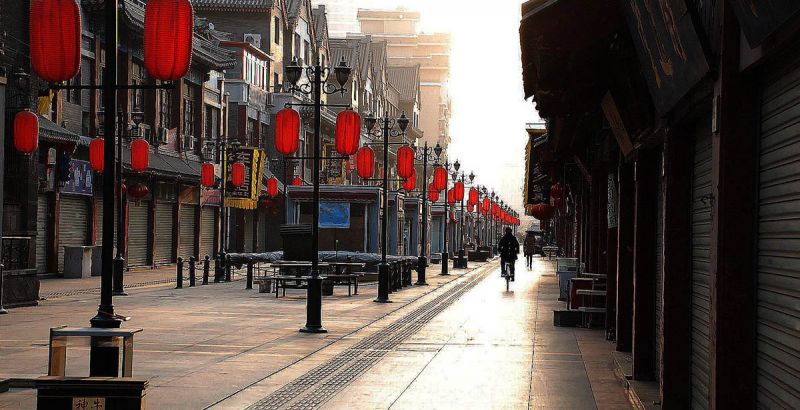
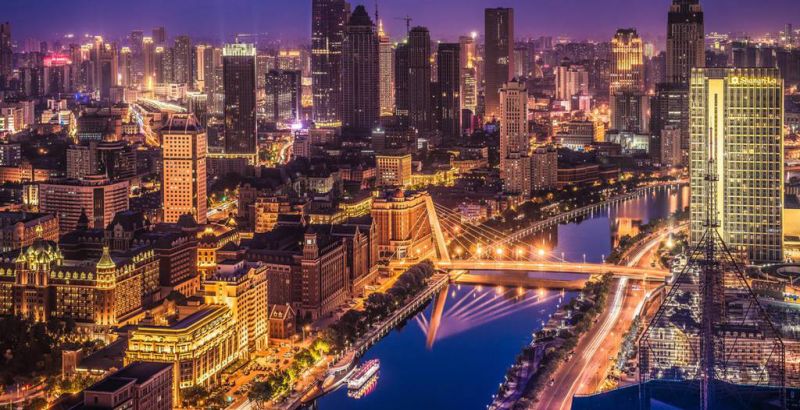
In the morning, visit the Putuo Zongcheng Temple and the Puning Temple to discover the ancient arts, architecture and sculptures. Go to Tianjin(3.5-4 hrs), visit Ancient Cultural Street to browse the art galleries, shops and batik fabric shops. In the late afternoon, take a leisurely stroll along Haihe River, regarded as the mother river of Tianjin. You can enjoy the beautiful night view of towering buildings. At last, check in the hotel.

:

Lunch

Scenic spots included in the itinerary
Ancient Cultural Street

Haihe River

Putuo Zongcheng Temple

Puning Temple

6

Day 6 Tianjin-Beijiing Airport by Private Vehicle

On this day the driver will pick you up at the appointed time and send you to the Beijing airport.  

:

Hotel Location

5 Star Hotel

4 Star Hotel

3 Star Hotel

Beijing
Beijing International Hotel
Jade Garden Hotel
Zhong Gu Hotel
Hebei
Jiahe International Hotel
Atour Hotel (Chengde Summer Resort)
Lavande Hotel (Chengde Mountain Resort)
Tianjin
Tianjin Golden Crown Hotel
Gelan Wanjia Hotel
Lavande Hotels (Tianjin Nanjing Road Wudadao)

Add Product

Beijing

Jingshan Park

$5 For 1 people

Jingshan Park

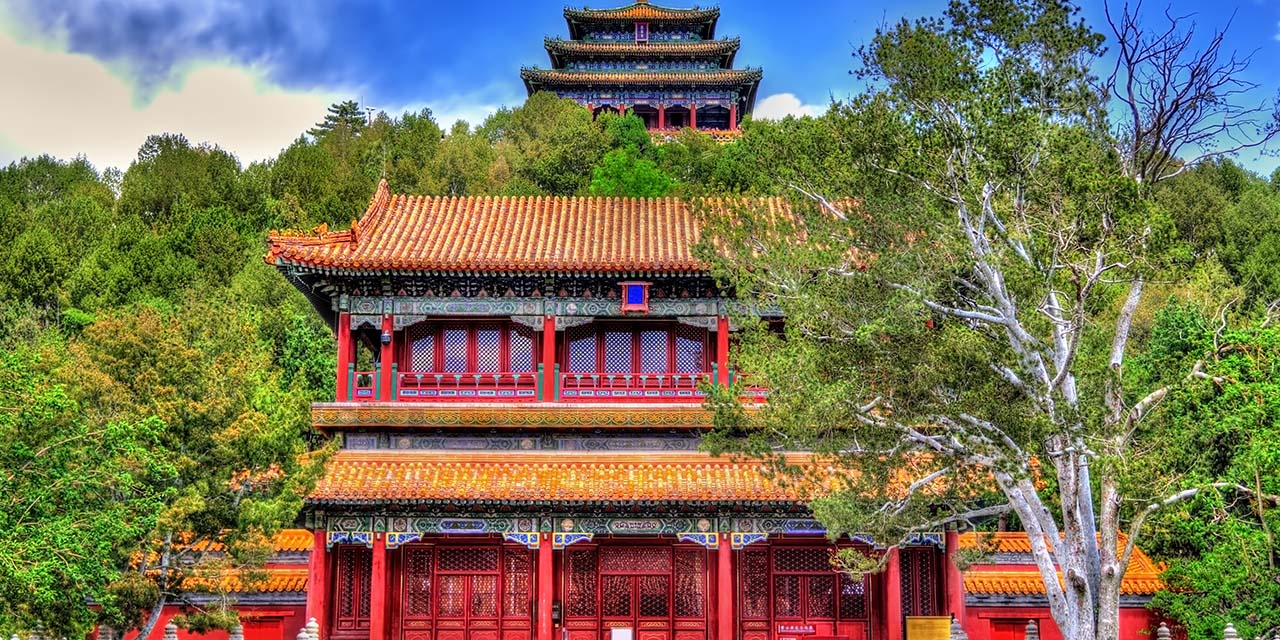
  Situated in the city center, it is a beautiful royal landscape garden. Covering an area of 230,000 square meters, the park stands on the central point of the south-north axis of the city and faces the north gate of the Forbidden City. It is found on Jingshan Hill, which was originally named Wansui Hill (Long Live Hill), Zhen Hill or Meishan Hill (Coal Hill). The mid summit of the hill is the highest point in Beijing. Looking from the peak, the visitor is able to get a full and clear view of the Forbidden City.

  During the Yuan (1271-1368), Ming (1368-1644) and Qing (1644-1911) dynasties, the hill served as an imperial garden and was properly laid out under the Ming Dynasty when numerous fruit trees were planted as well as many palaces and pavilions built for the emperor to make sacrifices to his ancestors. As a result, the royal families always enjoyed amusements here, like hunting in the hills. Then, in 1928, it was opened to the public. Later, after 1949, the park was fully rebuilt, with the paths in it paved and most of the buildings renovated. Now, the present is one of the 'AAAA' Scenery Spots in China and a 'must' for visitors to Beijing.

  Upon entering the front gate of the park, visitors can see the Qiwang Pavilion, embraced by the vigorous green cypresses. This was originally the place for emperors to worship the memorial tablet of Confucius. Surrounded by white marble balustrades, the two-storied pavilion with its golden-glazed roof appears quite dignified.

  The hill has five summits, and on each summit there is a pavilion, built in 1751. In every pavilion, there was originally placed a copper Buddha statue which represented one of the five tastes-sour, bitter, sweet, acrid and salt. It is a pity that they were all lost during the warfare of 1900. Among the five pavilions, the Wanchun Pavilion (Ten Thousand Spring Pavilion), on the middle of the five summits, sits at the hill's central point of the city. It is a perfect place to appreciate the full view of the city. From this pavilion, visitors are able to see the resplendent and magnificent Forbidden City in the south, the dignified Bell and Drum Towers in the north, as well as Beihai Park and  White Dagoba Temple in the west.

  In the north side of the hill is found the Shouhuang Hall (Hall of Imperial Longevity), originally the place for the emperors in the Qing dynasty to pay their respects to their ancestors. Some of the emperors' portraits were worshiped in it. To the east of the Shouhuang Hall, stands the Yongsi Hall (Missing Hall), the place for resting the dead bodies of the past emperors and queens.


/uploads/main/litimg/2019-03-22/5c943c63029f6.jpg /uploads/main/litimg/2019-03-22/5c943c630487a.jpg,/uploads/main/litimg/2019-03-22/5c943c6334edc.jpg,/uploads/main/litimg/2019-03-22/5c943c63686d6.jpg,/uploads/main/litimg/2019-03-22/5c943cc484157.jpg,/uploads/main/litimg/2019-03-22/5c943cc4bbdfb.jpg,/uploads/main/litimg/2019-03-22/5c943cc4f32fd.jpg 5,5,5,5,5,5,5,5,5,5
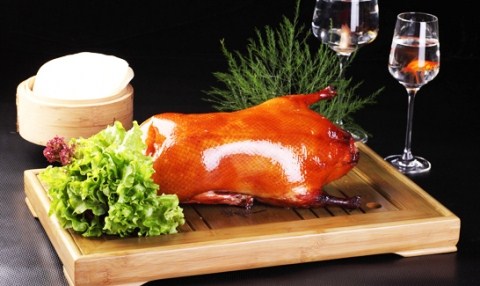
Peking Roast Duck

Peking Roast Duck

$55 For 1 people

Peking Roast Duck

Peking duck, also known as Peking Roasted Duck or Beijing Kaoya, is a dish of great antiquity from Beijing that can trace back to the imperial era. Nowadays, Peking Duck had become one of the specialties of the capital and a national symbol of China, favored by tourists and diplomats alike. For instance, Henry Kissinger, the former Secretary of State of the United States, came to savor this cate, during his two visits to China in 1971 and in 1976. It has also been a favorite delicacy for various political leaders ranging from Cuban Fidel Castro to former German chancellor Helmut Kohl.


The delicacy is characterized by its crisp skin shining date-red in color and tender texture, with authentic versions serving mostly the skin and little meat, sliced in front of the diners by the cook. The hot Peking Roast Duck will be brought to the dining table by the chef where he will slice it into more than 100 thin flakes, each having its piece of crispy skin. The meat is often eaten with spring onion, cucumber and sweet bean sauce with pancake rolled around the fillings. Sometimes pickled radish is also inside, and other sauces can be used. The remaining duck with meat and bones can be cooked in three ways. The traditional way is to be cooked into a broth. The meat together with bones can also be stir-fried with sweet bean sauce, or rapidly sautéed and served with salt and Sichuan pepper.


Besides the traditional one, many restaurants offer an All Duck Banquet - various dishes cooked with the offal and juices of the duck, surrounding the main dish. It will be sure to give you satisfaction and enjoyment when dining.


Duck has been roasted in China since the Southern and Northern Dynasties(386-589). Up until the Southern Song Dynasty (1127-1279), ducks were roasted in the area around Jinling (ancient name for Nanjing). A variation of roast duck was prepared for the Emperor of China in the Yuan dynasty(1271-1368). The Peking Roast Duck that came to be associated with the term was fully developed during the later Ming dynasty when the rulers moved their capital city to Beijing from Jinling and by then, Peking Duck was one of the main dishes on imperial court menus and was highly regarded by emperors and other members of the ruling classes. By the Qianlong Period (1736–1796) of the Qing dynasty, the popularity of Peking Duck spread to the upper classes. The first restaurant specializing in Peking Duck, Bianyifang, was established in the Xianyukou, close to Qianmen of Beijing in 1416.


Preparation


Raising the duck

Newborn ducks are raised specially in a free range environment for the first 45 days of their lives, and force fed 4 times a day for the next 15–20 days, resulting in ducks that weigh 5–7 kg. The force-feeding of the ducks led to an alternate name for the animal, Peking Stuffed Duck. 


Seasoning the duck

A suitable fattened White Beijing Ducks are slaughtered, plucked, eviscerated and rinsed thoroughly with water. Air is pumped under the skin through the neck cavity to separate the skin from the fat. The duck is then plunged in boiling water for 1 to 5 minutes, then hung to dry. This will tighten the skin and help the duck to achieve its traditional crispy texture. The duck is then glazed with a layer of potentially spiced and flavored maltose syrup. A marinade of traditional flavorings, including soy sauce and five-spice powder, and more maltose, is then applied inside the body cavity. This will flavor the duck during the next step. The duck is then left to dry for between 24 hours and several days in a cool, dry place, which allows the skin to crisp while roasting.


Roasting the duck

Hitherto, there are two traditional schools of cuisine for the duck cooking, namely closed oven and hung oven.


Closed-oven style

Peking duck is originally roasted in a conventional closed oven, allowing the meat to be slowly cooked through the convection of heat within the oven. Controlling the fuel and the temperature is the main skill. In closed-oven style, duck meat is combined well with the fat under the skin, and therefore is juicy and tender.


Hung-oven style

The hung oven, also known as open oven, was developed in the imperial kitchens during the Qing Dynasty. It is designed to roast up to 20 ducks at the same time with an open fire fueled by fruit hardwood from peach or pear trees. The ducks are hung on hooks above the fire and roasted at a temperature of 270 °C (525 °F) for 30–40 minutes. While the ducks are roasting, the chef may use a pole to dangle each duck closer to the fire for 30-second intervals. By the means of hung oven, the fat is usually melted during the cooking process, so the skin is more crispy.


The initial technique has been perpetuated by very few restaurants among which the household name Bianyi Fang is the representative. The second method is relatively well-known and used with great success by the notable Quan Ju De Restaurant, first established in 1864, which won the China Renowned Trademark as well.

/uploads/main/litimg/20150820/20150820165034.jpg /uploads/main/litimg/2019-03-22/5c9498d6dc4c7.jpg,/uploads/main/litimg/2019-03-22/5c9498d6dd7da.jpg,/uploads/main/litimg/2019-03-22/5c9498d6deebd.jpg,/uploads/main/litimg/2019-03-22/5c9498d6e01d0.jpg,/uploads/main/litimg/2019-03-22/5c9498d6e14e3.jpg,/uploads/main/litimg/2019-03-22/5c9498d6e2f97.jpg 55,48,40,38,35,35,35,35,35,30

Peking Opera Show

$44 For 1 people

Normal Seating

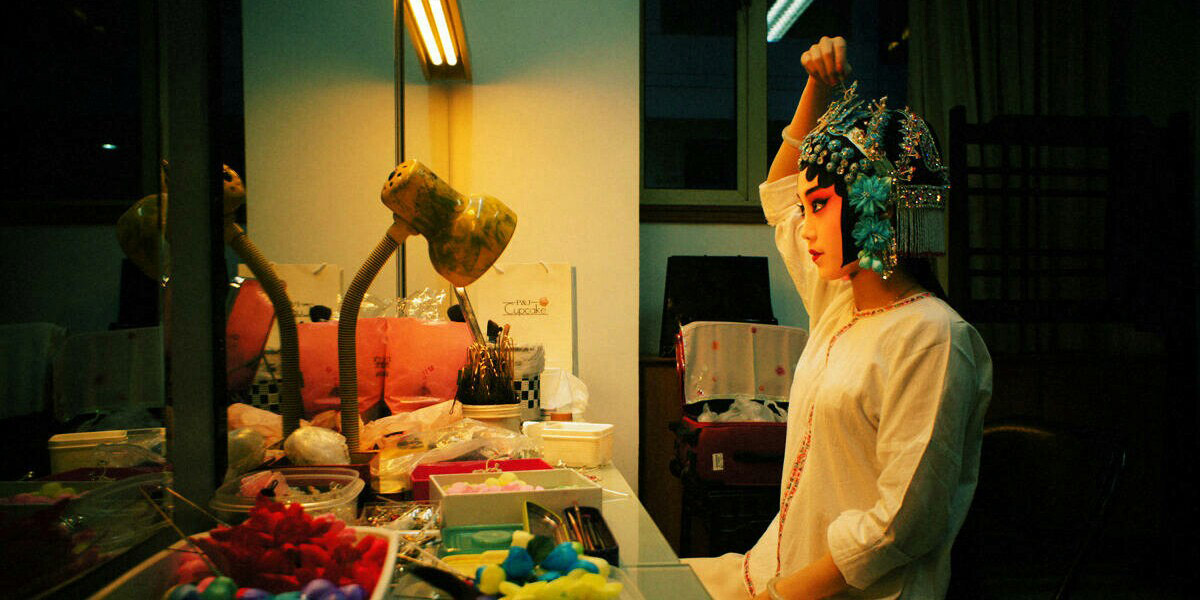
Peking Opera Show

  Beijing opera or peking opera is a form of traditional Chinese theatre which combines music,vocal performance,mime,dance and acrobatics.It arose in the late 18th century and became fully developed and recognized by the mid-19th century.This form of theatre was extremely popular in the Qing dynasty court and has been regarded as one of the cultural treasures of China.Many performance groupes are based in Beijing and Tianjin in the north,and Shanghai in the south. The form of art is also seen in Taiwan,where it is known as guoju, and it has also spread to other countries such as the United States and Japan.


  Beijing opera features four main types of performers,Performing groupes often have several of each or combined. Performers are the only focal points on the stage.They utilize the skills of speech,song,dance,and combat in movements that are symbolic and suggestive,rather than realistic. Performers also adhere to a variety of stylistic conventions that help audiences navigate the plot of the production.

  Channel CCTV-11 in Mainland China is currently dedicated to broadcasting classic Chinese opera productions,including Beijing opera.

Inclusions

1:Show tickets

2:Hotel transfer

3:If select VIP seat with fresh tea and snacks 

Exclusions

Gratuities (optional)

Meal


/uploads/main/litimg/2019-03-22/5c945fac53af5.jpg /uploads/main/litimg/2019-03-22/5c945f75eea83.jpg,/uploads/main/litimg/2019-03-22/5c945f75f0166.jpg,/uploads/main/litimg/2019-03-22/5c945f75f1849.jpg,/uploads/main/litimg/2019-03-22/5c945f75f2f2d.jpg,/uploads/main/litimg/2019-03-22/5c945f76003d0.jpg,/uploads/main/litimg/2019-03-22/5c945f7601ab3.jpg 44,44,44,44,44,44,44,44,44,44 98,98,98,98,98,98,98,98,98,98

Chinese Kungfu Show

$45 For 1 people

Normal Seating

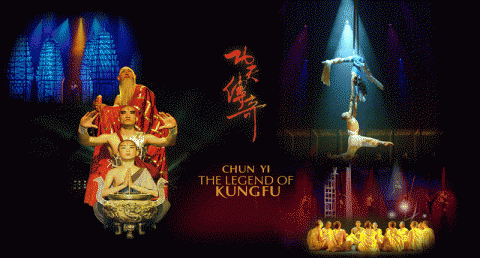
Chinese Kungfu Show

The Legend of Kungfu is a Live performance presented by China Heaven Creation International Performing Arts Co., Ltd. (CHC) -- China's leading performance art production company, every night at Red Theatre. A group of the best Kung Fu practitioners of China are collected and the best directors and designers of the country are invited by CHC.


The show is about storytelling that a little boy from a very poor family whose mother was unable to provide for him and decided to send her son to a temple to be a monk and learn kungfu. The diligent student monk was initiated into the temple, learning Buddhism and Kungfu. The theme of the story is full of trials and tribulation of being a monk and the worldly temptations through his monkhood. He had a hard time getting used to the strict discipline of the temple and could not restrain his natural desire to chase a young beauty, so he suffered great regret and losing his way to self-cultivation. He punished himself severely and finally came back full circle to be the temple, attaining enlightenment. He became interested in the unbelievable power of Kung Fu, in which he must face many obstacles both from this world and his own mind to overcome his fears.


The fusion of modern dance with Chinese traditional martial arts makes this performance unique and spectacular, presenting stunning Kung Fu skills, exquisite ballet, splendid acrobatics and wonderful music, along with brilliant stage scenery, acoustic and light effect. With no speaking of the actors, there is an electronic screen displaying the show's subtitles in English above the stage to keep you informed of the storyline. After the show, the audience can also take photos with the main actors.

The show made its first appearance on the Beijing stage in July 15th, 2004. Ever since it has received numerous awards and become a world-class spectacle known around the world. If you are an enthusiast of Chinese Kung Fu, who would like to explore the real Chinese martial arts and culture, you definitely should not miss this excellent show of the prestigious Chinese Kung Fu.


China has one of the longest histories of continuously recorded martial arts tradition in the world. The Chinese Kung Fu is popular terms with Chinese martial arts, tracing its origins back some 4000 years ago to self-defense needs, hunting activities and military training in ancient China. In the long course of development, the Kung fu's purpose from self-defense to health maintenance and finally as method of self-cultivation. Kung Fu requires of the practitioner a strict code of physical and mental discipline. A common saying concerning basic training in Chinese martial arts is as follows: Train both Internal and External. External training includes the hands, the eyes, the body and stances. Internal training includes the heart, the spirit, the mind, breathing and strength. In addition, philosophy, ethics and even medical practice are highly regarded by most Chinese martial arts, which provides insight into Chinese attitudes and culture.

/uploads/main/litimg/2019-04-26/5cc25e0db7185.gif /uploads/main/litimg/2019-03-22/5c947c5895400.jpg,/uploads/main/litimg/2019-03-22/5c947c5896ae3.jpg,/uploads/main/litimg/2019-03-22/5c947c5897df6.jpg,/uploads/main/litimg/2019-03-22/5c947c58994d9.jpg,/uploads/main/litimg/2019-03-22/5c947c589a7ec.jpg,/uploads/main/litimg/2019-03-22/5c947c589becf.jpg 45,45,45,45,45,45,45,45,45,45 98,98,98,98,98,98,98,98,98,98

Inclusions & Exclusions

Booking Notes

Includes

Entrance fee

Meals described in the itinerary

Transportation fee described in the itinerary

English-speaking guide

A bottle of water per day per person

Airport transfer described in the itinerary

VIP access to the Forbidden City (skip long lines)

Hotels (if selected)

Excludes

International and domestic air tickets with tax

Tips to guides and drivers

China entry visa fees

Single room supplement

Cable car

How to Book:

1. You can book online directly or send email to marcopolo@chinatoursnet.com

2. The personal information you filled in at the time of booking must be exactly the same as your passport. ChinaToursNet will not refund any losses due to missing or incorrect information.

3. Confirmation will be received at the time of booking.

4. Vegetarian option is available, please advise at time of booking if required.

5. We accept Credit Card, PayPal and bank transfer.

6. The schedule can be adjusted by your tour guide due to the actual traffic condition.

7. Child definition: Child taller than 1.1 meters will be charged full price, child smaller than 1.1 meters will be charged half price.

Cancellation Policy:

If you cancel at least 30 day(s) in advance of the scheduled departure, there is no cancellation fee. 

If you cancel between 20 and 15 day(s) in advance of the scheduled departure, there is a 50 percent cancellation fee.

If you cancel within 15 day(s) of the scheduled departure, there is a 100 percent cancellation fee. 

Hotel, Air tickets, Train tickets, Insurance and Card fees are not refundable.

Got Question & Quick Answer

Submit

CONTACT INFO

PHONE:

+86-13683536536

EMAIL:

marcopolo@chinatoursnet.comWhatsApp:+86-13683536536iMessage:+86-13683536536

ADDRESS:

Room 208,Business Building AQiantongtian.Longgang Road,Haidian district,Beijing

WeChat:chinatoursnetSkype:chinatoursnet@outlook.com

WHY CHOOSE US

1:We are in Beijing

2:No hidden fees

3:Downtown hotel

4:professional tour guildes and drivers

5:Flexible tour time,private tour group,customized tour service

6:free mineral water

7:Guarantee enough visiting time

8:Guarantee your satisfactory with your choice

HELPFUL REFS

FOLLOW US ON WECHAT

JOIN US ON

©2013- Chinatoursnet.com

Wushu is an inherited technique of ancient military warfare

Wushu is an inherited technique of ancient military warfare. Martial arts can strengthen physical fitness and can also defend against enemy attacks. It is the guiding and safeguarding of human material civilization that people who practice martial arts take the "stop the invasion" as the technical guidance and lead the practitioners to enter the traditional education(martial) method of understanding human beings, nature, and social objective laws. tion that people who practice martial arts take the "stop the invasion" as the technical guidance and lead the practitioners to enter the traditional education(martial) method of understanding human beings, nature, and social objective laws.

Hotel Description

Services & Amenities

Show More

Hotel Policies

Check-in & Check-out

  • Check-in from 14:00

Select Vehicle :

Passat

1-2 persons

Buick GL8

3-4 persons

Minivan

5-8 persons

Coaster Coach

9-13 persons

King Long Bus

14-35 persons

Total Price :
Sure

Wushu is an inherited technique of ancient military warfare

Price Per Person:

Total Price :
Sure