Itinerary

ADD

Cost Description

FAQ

Group Tour

  • Initiate or Join Group Tour
  • Flash Sale
  • Free Tour
  • According to your travel date, daily departure. No booking number of people limit, if you are the first person to join the group tour, please click book now or initiate group tour booking, your group tour booking is successfulIf.

  • If we have a reservation for your travel date, please click to join the tour. Please pay full payment by Paypal or Credit Card.

  • This is the best way for you to save money and enjoy a pleasant tour.

  • In order to form a group as soon as possible, please share this tour details to your circle of friends and social media.

Our company offers you unforgettable travel at do not calculate the cost price, Please make sure to share our website and your travel videos and photos. Thank you

Share our tour itinerary on Facebook and Twitter, each applicant needs to share 20 people to register as our members, within the specified time. Will succeed in getting free group tour. The travel date is unlimited.

The member registration must be true information. If there is any fake, the free travel qualification will be cancelled


The number of members who complete the membership registration requirements within 24 hours can get free travel, which is invalid if it is out of time.

5 Days Beijing Tour in Depth

  • Private Tour

Price Per Person in USD

Booked by 0 travelers

5 Stars

Hotel+Tour

4 Stars

Hotel+Tour

3 Stars

Hotel+Tour

Only

Tour Fee

1 person

$600

$0

2 person

$382

$0

3 person

$290

$0

4 person

$270

$0

5 person

$249

$0

6 person

$239

$0

7 person

$228

$0

8 person

$219

$0

9 person

$215

$0

≥10 person

$210

$0

Highlights

  Beijing as a city wraps up as the heart of China and is a cradle of what we see now. A 5 days tour into Beijing unwraps a variety of aspects ranging from the immense proportions of fortifications at the Great Wall, imperial structures such as the Forbidden City and the utmost divine temples and palaces for emperors of the previous dynasties that still stand. Let us take you out and explore the must-sees of China.

Tour Itinerary Open All
1 2 3 4 5
1

Day 1 Arrival in Beijing

You will be picked up from the airport or train station then escorted to the hotel for checking in. Use the rest of the day to relax before embarking on the tour.

:

2

Day 2 Beijing

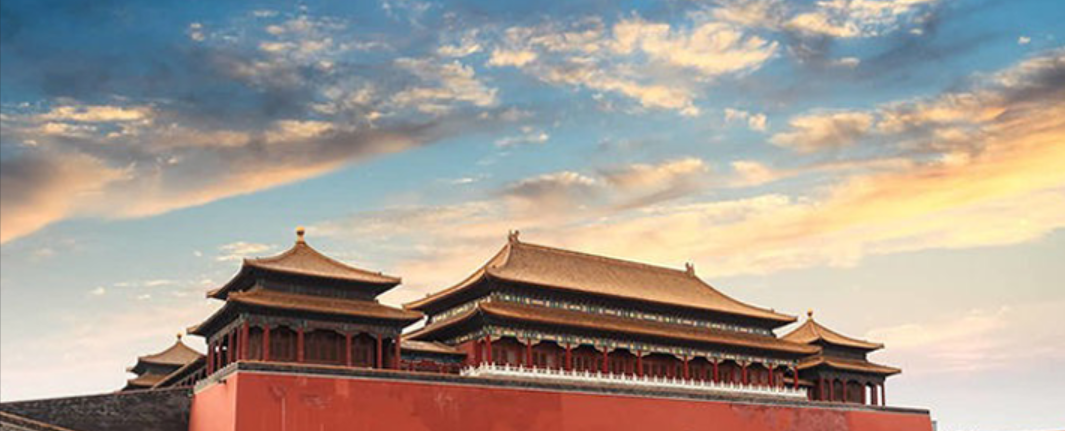
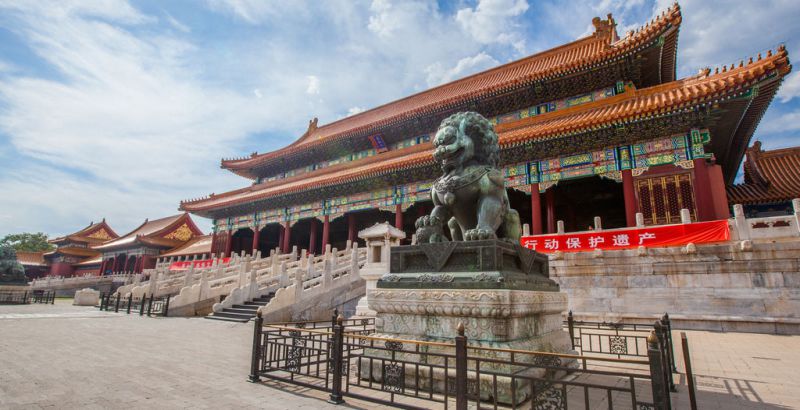
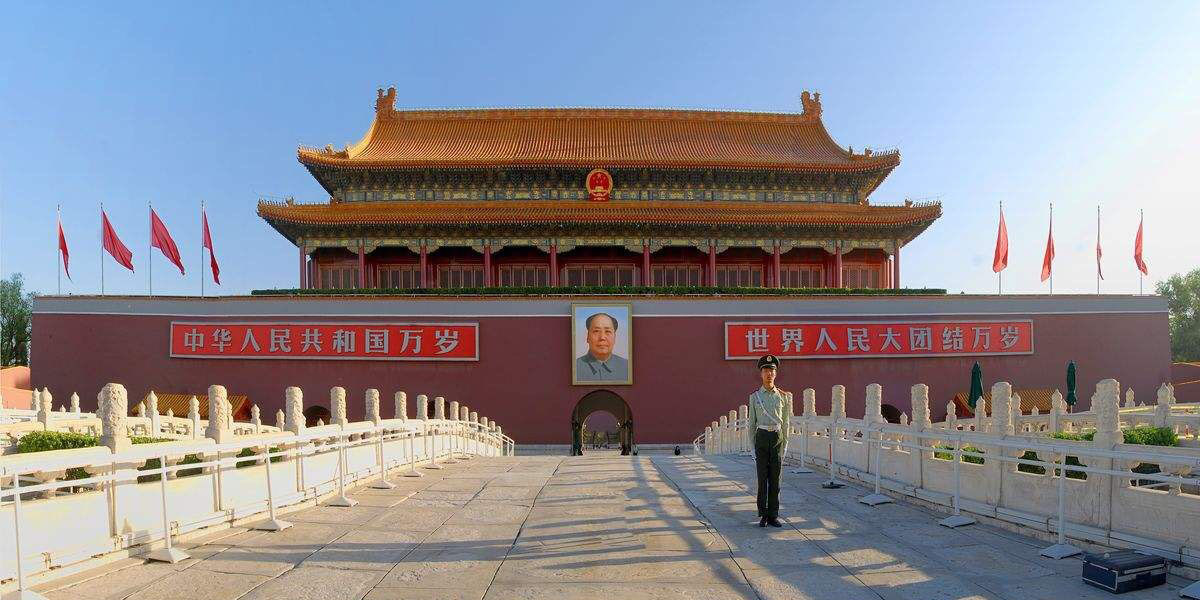
The driver and tour guide will pick you up from the hotel early in the morning and your day starts from visiting the Tiananmen Square. Then visit the magnificent Forbidden City, one of the most recognizable landmarks of China. Move over to Jingshan Park and have a comprehensive view of the whole of the Forbidden City and Beijing in general.

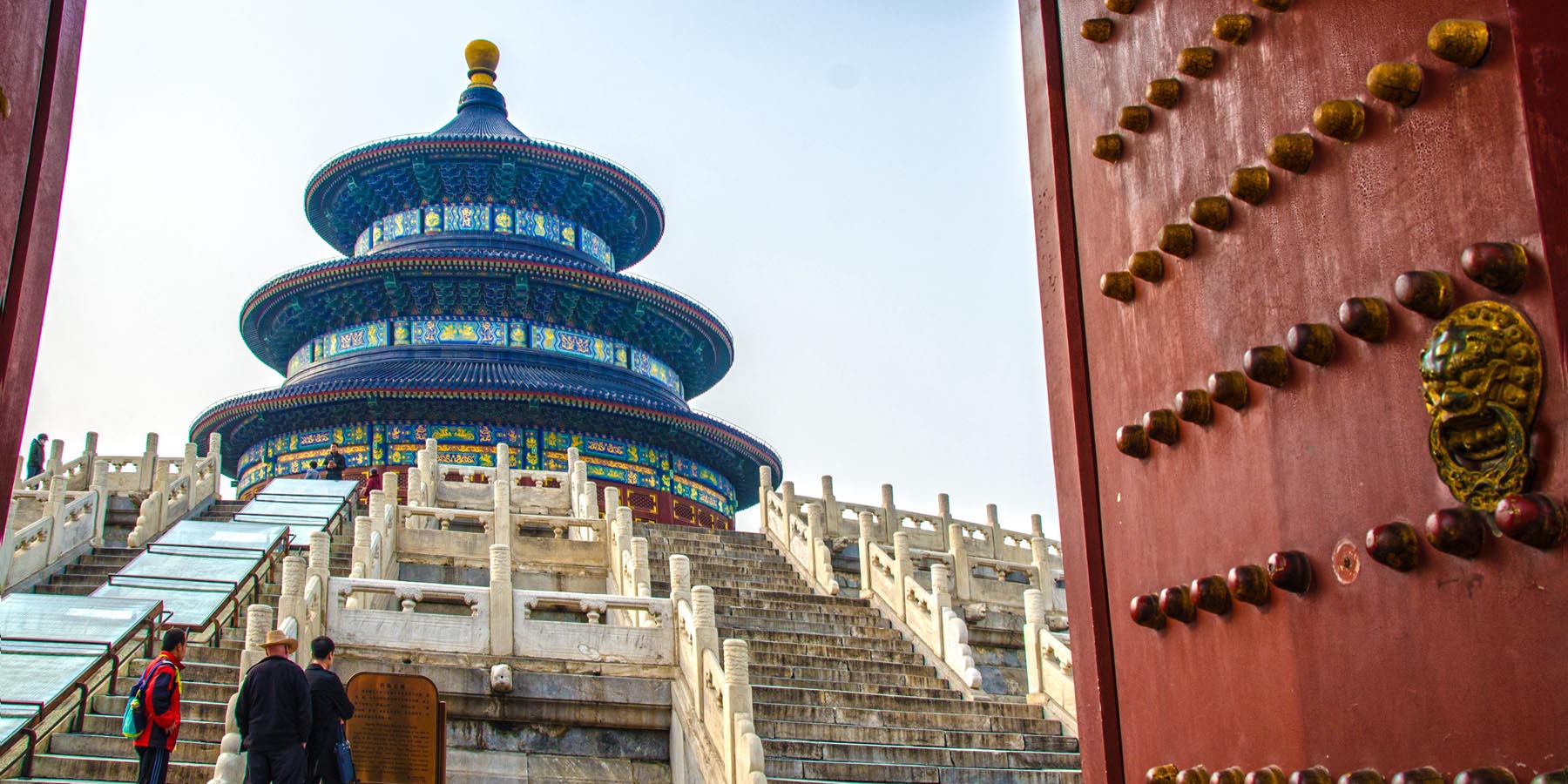
We will then stop over for a refreshing lunch and visit a silk factory to learn about interesting Chinese silk culture. Lastly, we will visit the remarkable Temple of Heaven before transferring you back to the hotel.

:

Lunch

Scenic spots included in the itinerary
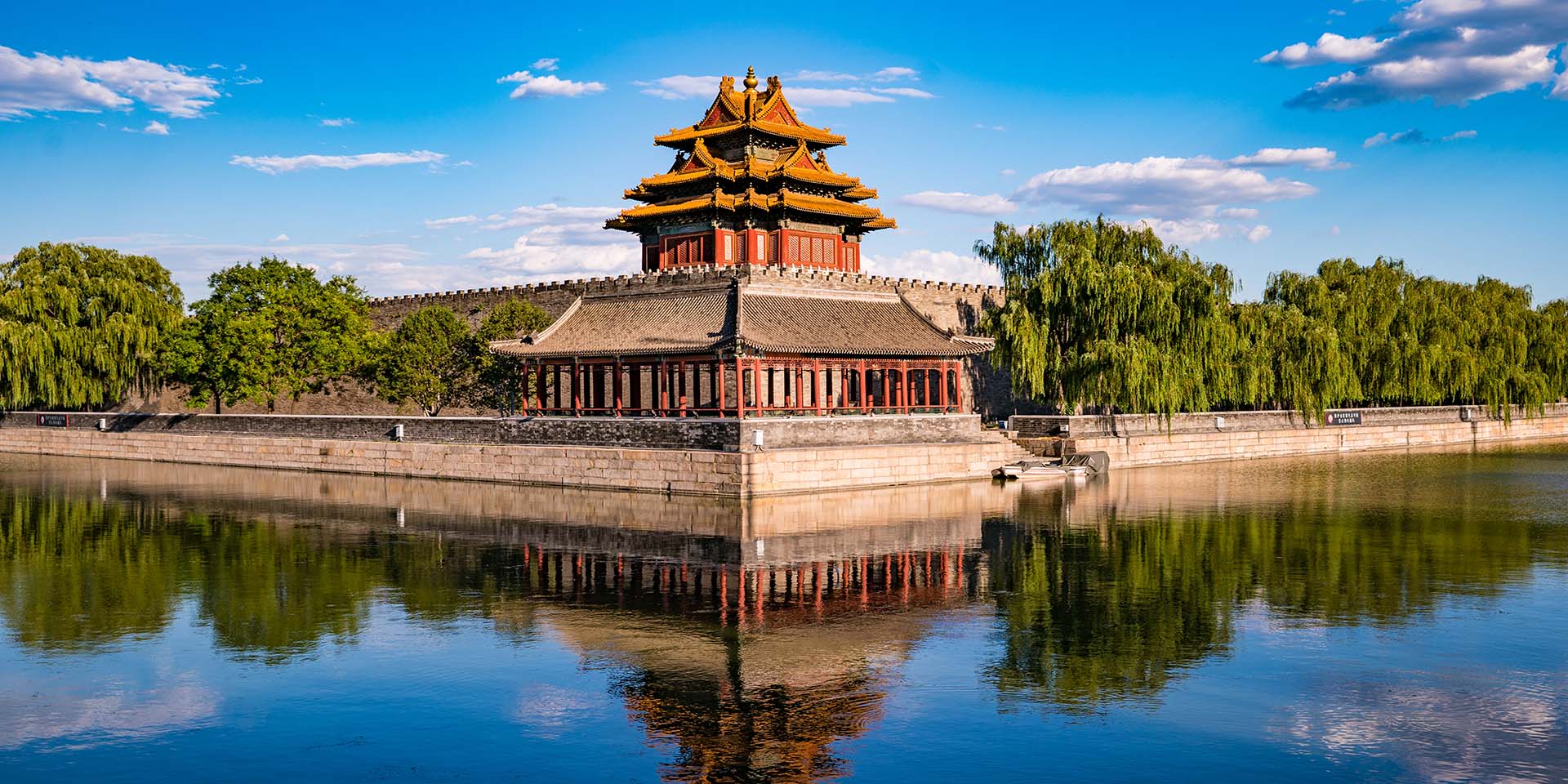
Forbidden City

Jingshan Park

Tiananmen Square

Temple of Heaven

3

Day 3 Beijing

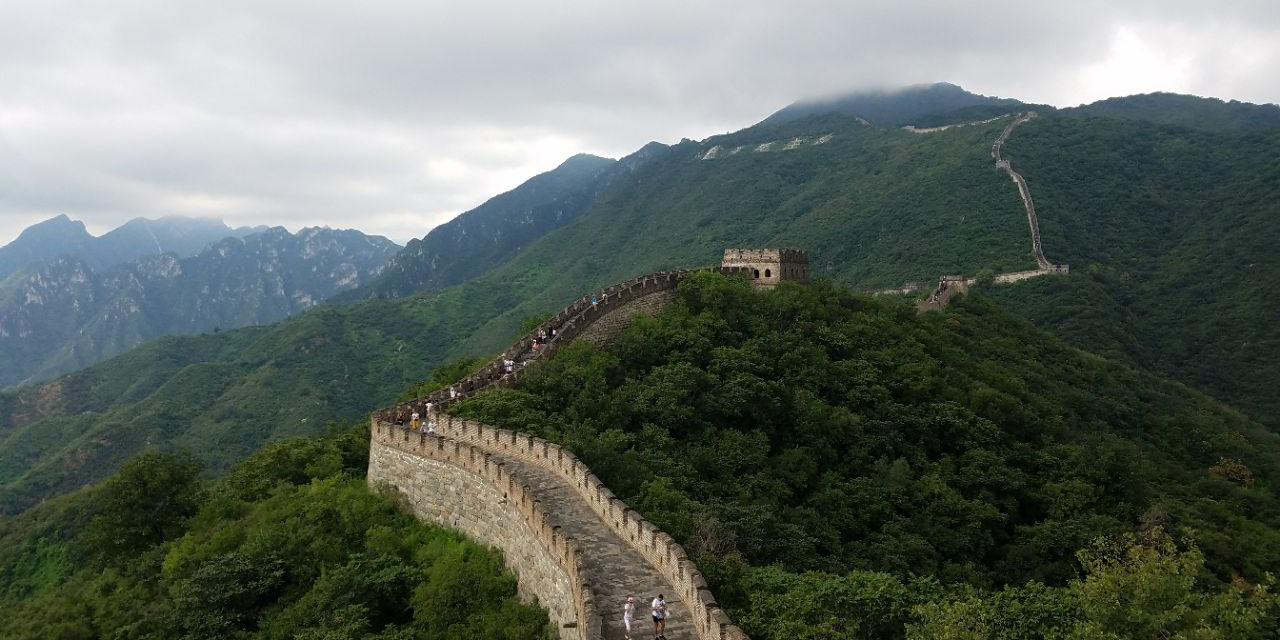
The tour today starts at the renowned Mutianyu Great Wall after pick from the hotel in the early morning by our driver and tour guide. Choose to either hike the wall or take the round trip cable car and acknowledge the impressive architecture of this historic site with more than 600 years. Afterwards, have lunch at a local restaurant and experience interesting ancient Chinese jade culture in a jade factory.

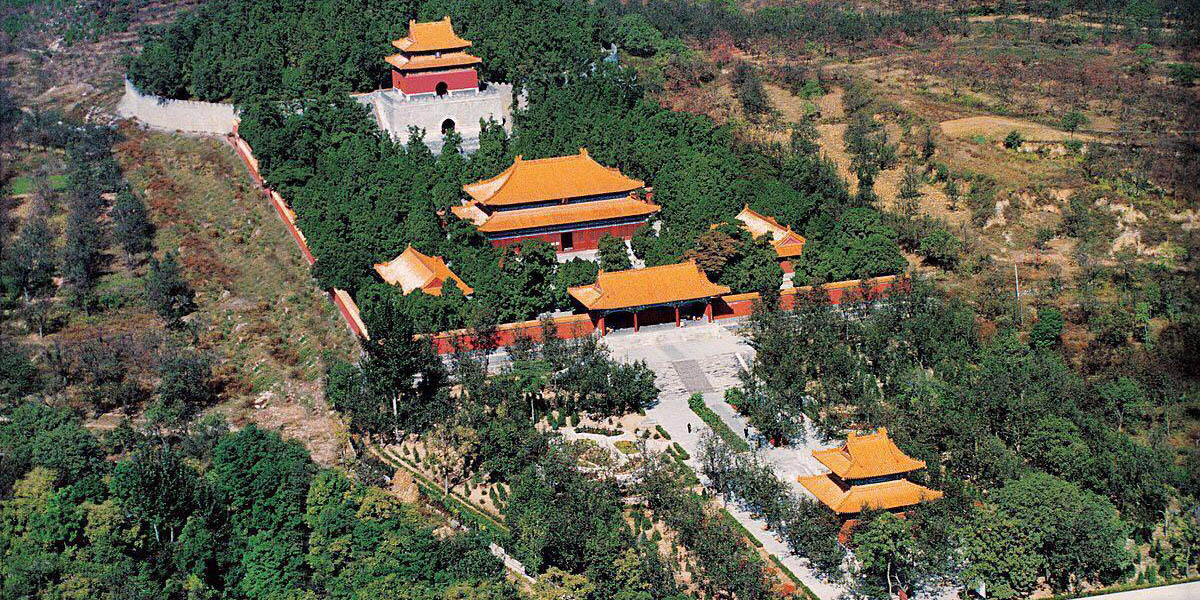
In the afternoon pay a visit to Changling which is regarded as the largest amongst the Ming Tombs.

:

Lunch

Scenic spots included in the itinerary
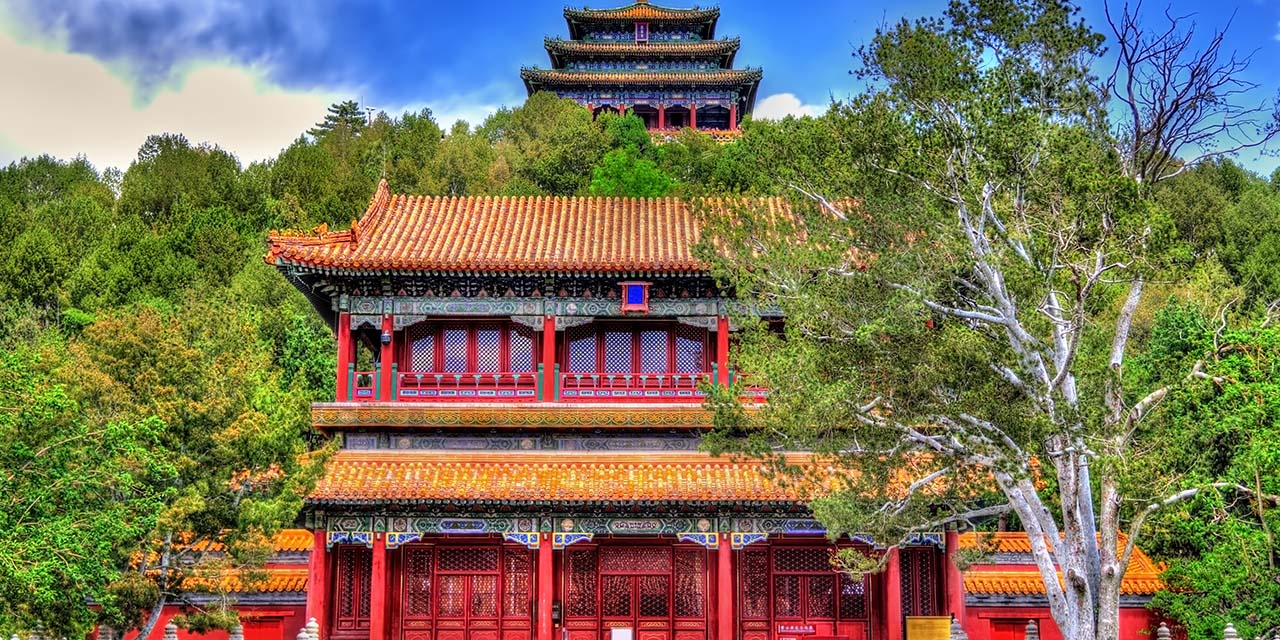
Mutianyu Great Wall

Ming Tombs(Changling)

4

Day 4 Beijing

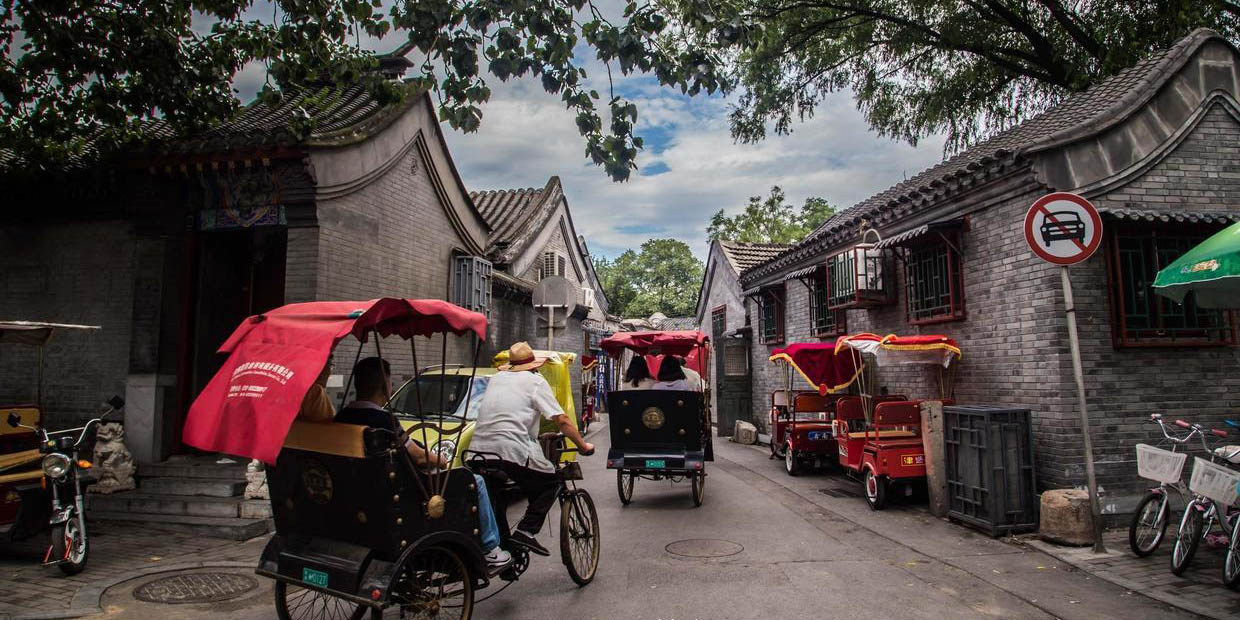
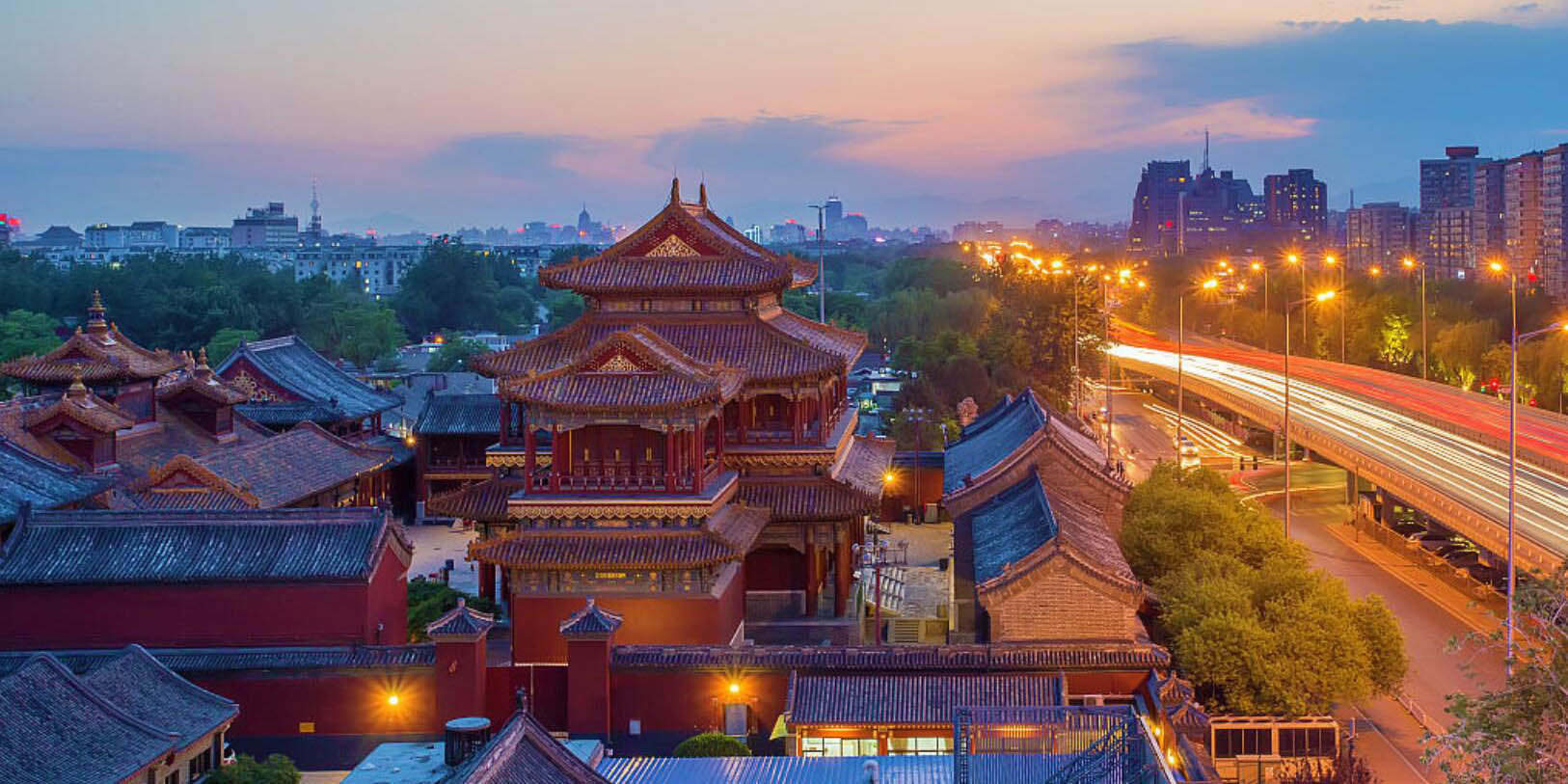
Your excursion begins at the Lama Temple after convenient pickup from your hotel in the early morning. The Temple is arguably the most impressive Buddhist temple containing 5 halls and 3 Memorial Archways. Proceed to the hutong area and weave around the charming streets and ancient alleyways on a rickshaw. Discover this other side of Beijing and gain insight into ancient life by having a meal with a local family.


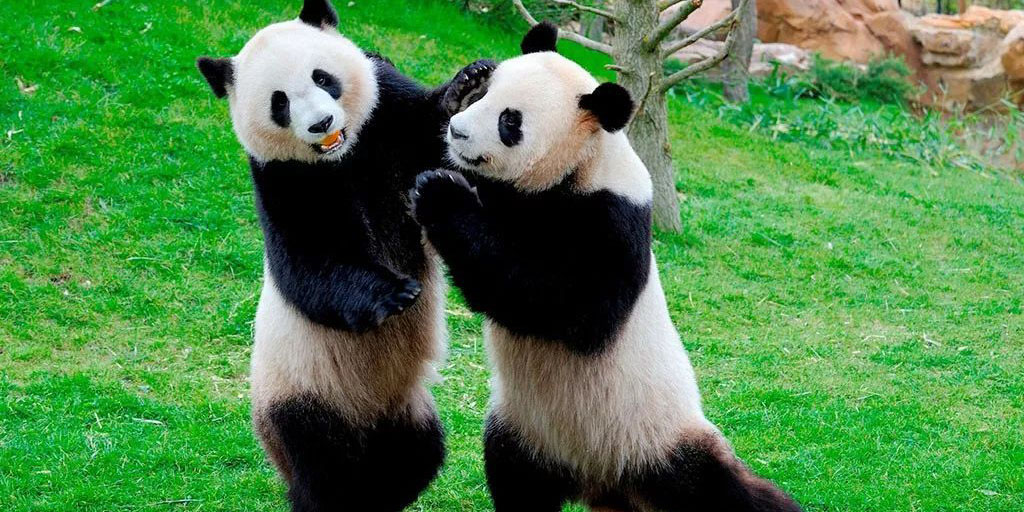
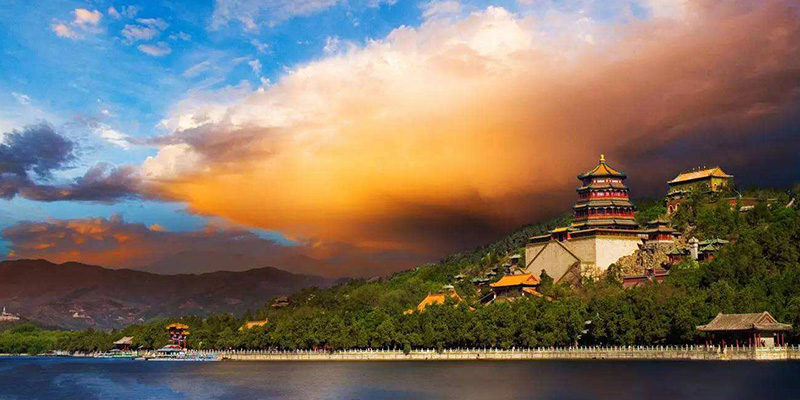
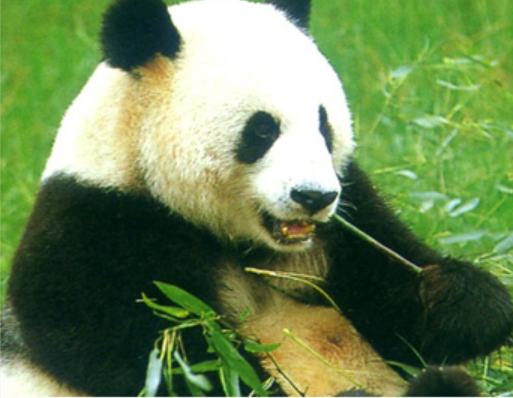
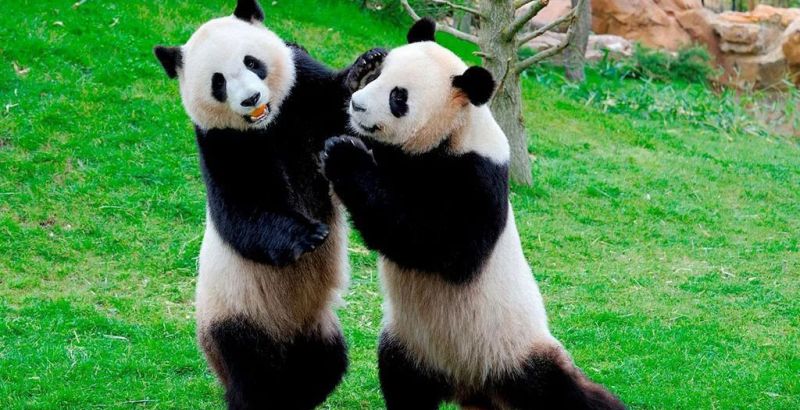
In the afternoon the tour leads us to Beijing Zoo to visit the giant pandas following a visit to the famous emperor garden at the Summer Palace. Explore and admire the imperial palace and gardens with stunning scenery and listen to the guide fill you in the palace’s ancient history. You will be dropped off at the hotel at the end of this tour.

:

Lunch

Scenic spots included in the itinerary
Beijing Zoo

Hutong

Lama Temple

Summer Palace

5

Day 5 Beijing

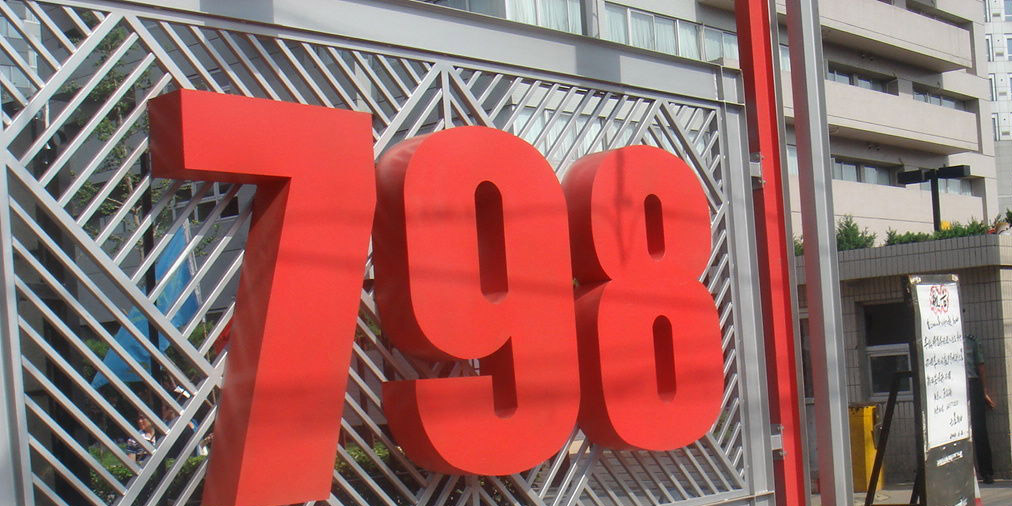
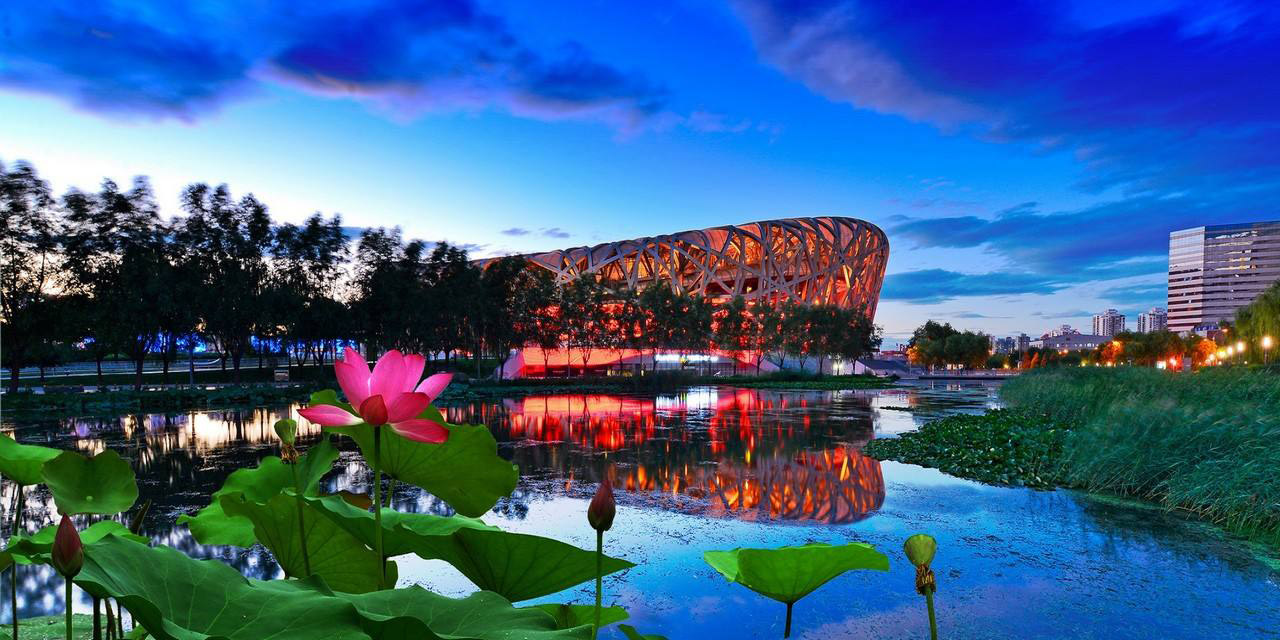
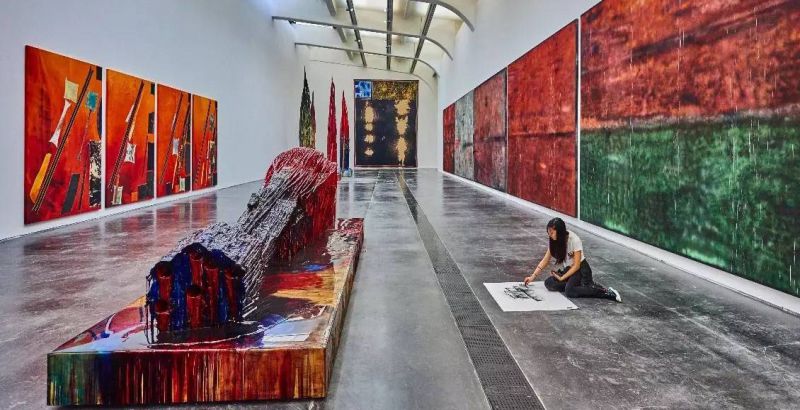
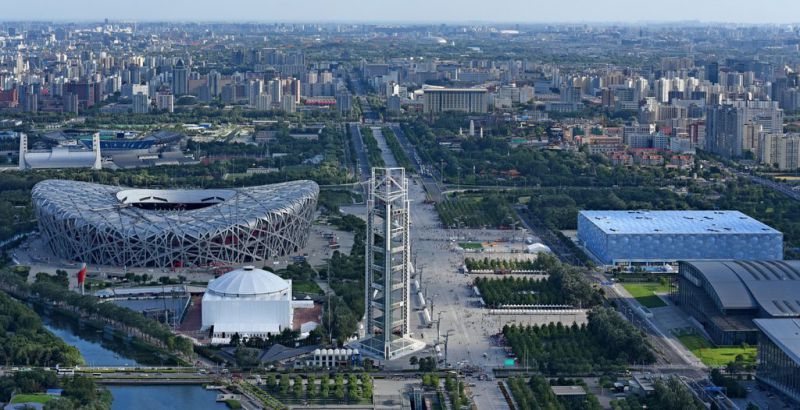
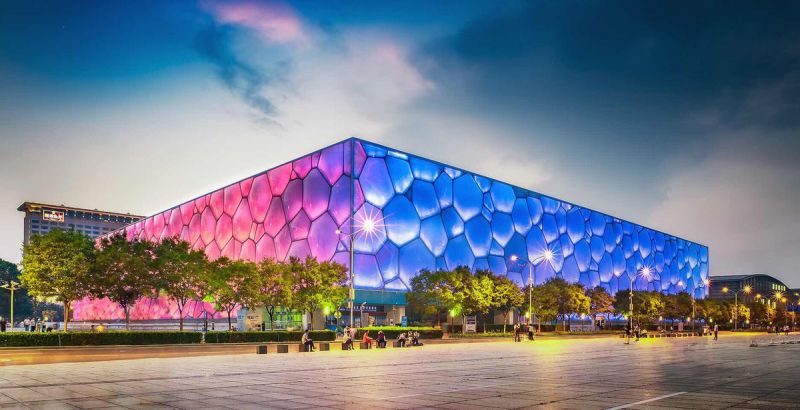
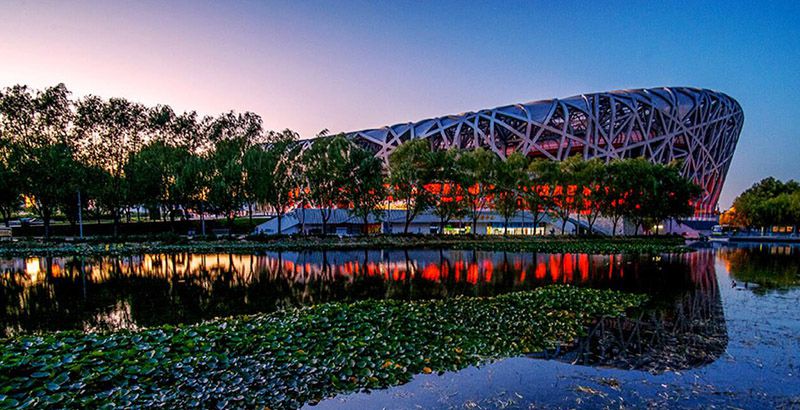
The tour guide and driver will conveniently pick you up from the hotel in the morning then drive you straight to the 2008 Olympics Centre. Take an exterior tour of the Bird's Nest: the world's largest steel structure and the most complex stadium ever constructed and marvel at the "Water Cube" construction that draws inspiration from formation of soap bubbles. Afterwards move to the sophisticated and trendy 798 Art Street and range over the brilliant galleries and museums set up in an abandoned military factory. Your tour ends here and you will be escorted to the airport.

:

Scenic spots included in the itinerary
798 Art Zone

Beijing Olympic Park

Hotel Location

5 Star Hotel

4 Star Hotel

3 Star Hotel

Beijing
Crowne Plaza Beijing Wangfujing
Dong Fang Hotel
King Parkview Hotel

Add Product

Scenic

Dining

Show

Houhai Lake

$0 For 1 people

Houhai Lake

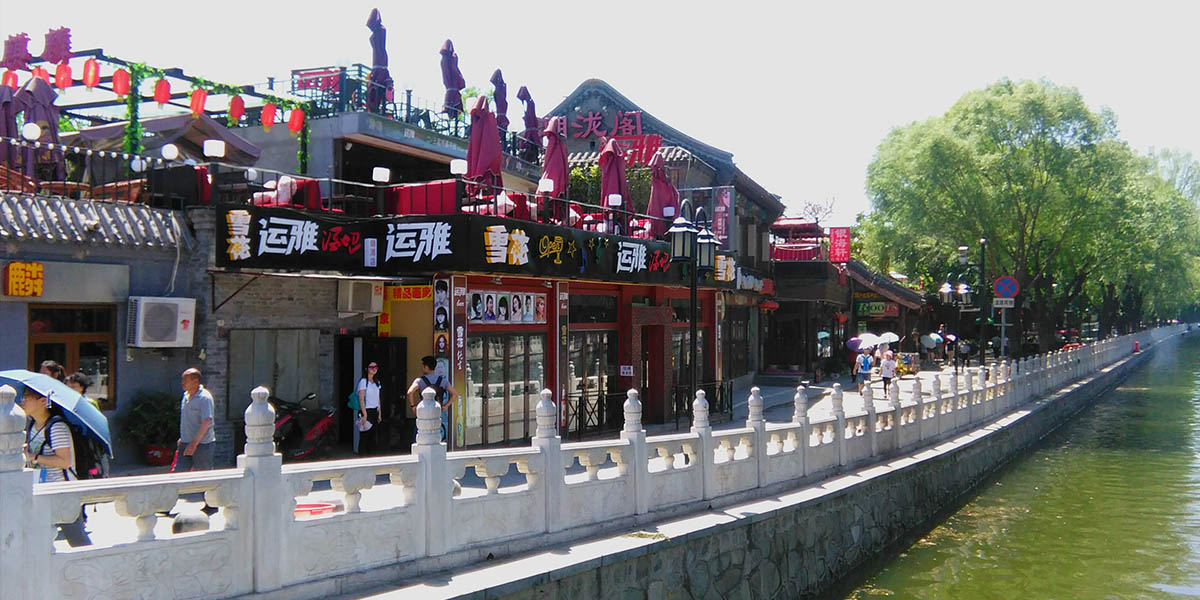
  Located in the southwest of the Drum Tower in beautiful surroundings, Houhai Lake has a history of about 700 years in the Yuan Dynasty (1279-1368). It assumed its present name in the Ming Dynasty (1368-1644). Strolling along its shoreline, the visitor can appreciate the lake’s glimmering blue water, its graceful weeping willows, its twisting railings and the flower-and-tree-covered central island. Pleasure boats are available for rowing and the banks are amply provided with shady places to rest. A swimming area in the lake is open every summer.

Houhai Scenic Zone, beginning from the Second Ring Road in the north to Ping'an Avenue in the south and from Di'anmenwai Street in the east to Xingjiekou Street in the west, is a paradise for tourists. It encompasses 146.7 hectares. The Zone is the only area in the city center where vast open waters, comprised by Xihai (West Lake), Houhai(back or Rear Lake) and Qianhai (Front Lake ) lakes, exist. More than 40 units for protection of historical relics are located there. They include the former residence of honorary president of People's Republic of China Soong Ching Ling(1893-1981); Guo Moruo(1892-1978) Museum, which is devoted to the famous writer, poet and historian; and Guanghua Temple.

/uploads/main/litimg/2019-03-25/5c98480eea45a.jpg /uploads/main/litimg/2019-03-25/5c98480eeca7f.jpg,/uploads/main/litimg/2019-03-25/5c98480f2cf7b.jpg,/uploads/main/litimg/2019-03-25/5c98480f5f091.jpg,/uploads/main/litimg/2019-03-25/5c98480f911a7.jpg,/uploads/main/litimg/2019-03-25/5c98480fc0c98.jpg,/uploads/main/litimg/2019-03-25/5c9848100a65a.jpg 0,0,0,0,0,0,0,0,0,0

Nanluoguxiang

$0 For 1 people

Nanluoguxiang

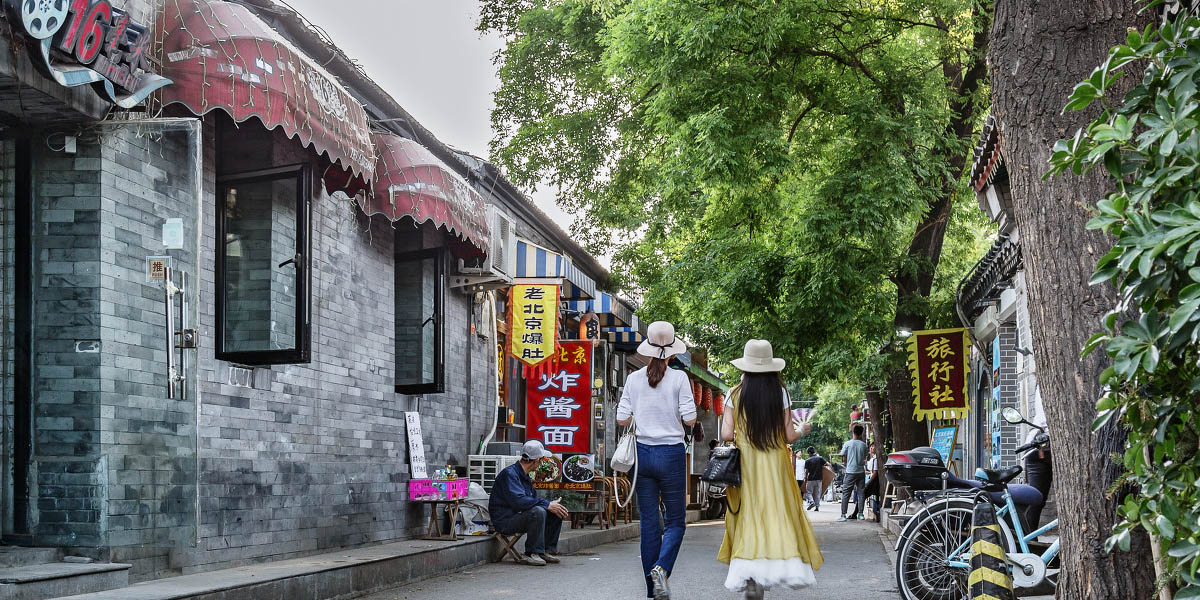
Nanluoguxiang, also named South Luogu Lane with a length of 800 meters, width 8 meters, is one of the oldest alleyways in Beijing with a history more than 740 years, running from East Gulou Street in the north to Di'anmen East Street in the south. It was built in Yuan dynasty, and it's the only well-preserved chessboard traditional residential area with the big-scaled and high-standard architectures in Yuan dynasty architecture style and it's the best representative of Old Beijing.


Nanluoguxiang is among the first 25 areas listed as historical sites by the Beijing Municipal Government in 1990. Nanluoguxiang has 16 Hutongs running across from south to north; 8 in the east and 8 in the west. Lots of officials and celebrities have been lived here since Ming (1368-1644) and Qing Dynasty (1636-1911). Historical marks can be found in every Hutong here. 


There are many unique souvenir and fashion clothing shops, various snacks and bars, coffee shops and customized artifacts. In addition, it attracts fashion magazines and TV shooting come here to take interesting pictures and films here, which forms its unique charming. Hence Nanluoguxiang has become a popular attraction in Beijing.


/uploads/main/litimg/2019-03-25/5c9890b0a877e.jpg /uploads/main/litimg/2019-03-25/5c9890b0aada4.jpg,/uploads/main/litimg/2019-03-25/5c9890b0dc719.jpg,/uploads/main/litimg/2019-03-25/5c9890b117bf9.jpg,/uploads/main/litimg/2019-03-25/5c9890b16447e.jpg,/uploads/main/litimg/2019-03-25/5c9890b1937cd.jpg,/uploads/main/litimg/2019-03-25/5c9890b1c6825.jpg 0,0,0,0,0,0,0,0,0,0

Beijing Temple of Confucius

$0 For 1 people

Beijing Temple of Confucius

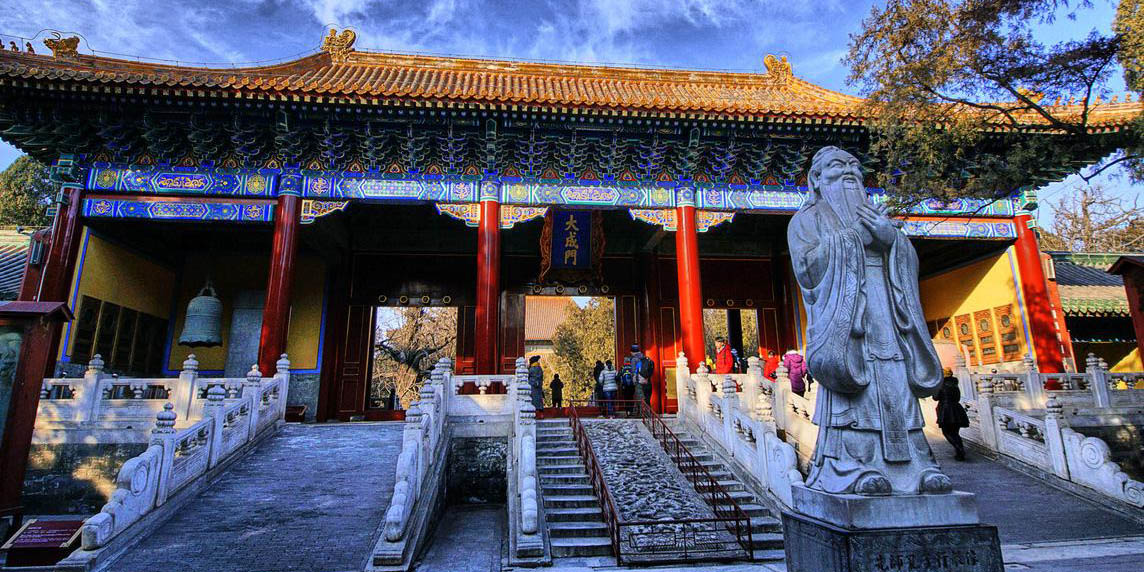
  Beijing Confucius Temple is a place where people worshipped Confucius during the Yuan,Ming and Qing Dynasties.The temple is on Guo Zijian Street (also known as Chengxian Street) in Andingmen, Beijing. There are four painted wood arches built during the Qing Dynasty in Guozijian street and they are the best-preserved wooden arches in Beijing.

  The temple was built in 1302, and used as for worshipping Confucius until 1911. The compound was enlarged twice, during the Ming and Qing dynasties and now occupies some 20,000 square meters. From 1981 until 2005, the Temple of Confucius housed part of the art collection of the Capital Museum .

  The grounds of the temple house hundreds of inscribed stele, recording the names of successful candidates for the examinations for the imperial bureaucracy.Candidates for the exam had to undergo the rigorous procedure of being locked up in a small cubicle for 3 days while taking the examination, many of whom reportedly went mad or committed suicide during the experience.

  This temple consists of four courtyards. The main structures include Xianshi Gate (Gate of the First Teacher), Dacheng Gate (Gate of Great Accomplishment), Dacheng Hall (Hall of Great Accomplishment) and Chongshengci (Worship Hall). Dacheng Hall is the main building in the temple, where the memorial ceremony for the sage was often held. Inside the temple one can see that 198 stone tablets are positioned on either side of the front courtyard, containing 51,624 names of Jinshi (the advanced scholars) of the Yuan, Ming and Qing dynasties.

  The temple also contains a reproduction of a Western Zhou dynasty stone drum made during the reign of the Qianlong Emperor (1735-96), and stone steles containing the Thirteen Confucian Classics, presented by the city of Jintan  in Jiangsu Province.There are various carvings inside the temple ground. One notable example is a famous carving of "two flying dragons playing a pearl among clouds"; this rare image is seldom to be found in other Confucius temples in China.

/uploads/main/litimg/2019-03-25/5c98940b3cb40.jpg /uploads/main/allimg/20170330/20170330130341.jpg,/uploads/main/allimg/20170330/20170330130351.jpg,/uploads/main/allimg/20170330/20170330130436.jpg,/uploads/main/litimg/2019-03-25/5c98940b3f166.jpg,/uploads/main/litimg/2019-03-25/5c98940b71a1d.jpg,/uploads/main/litimg/2019-03-25/5c989463463d7.jpg 0,0,0,0,0,0,0,0,0,0

Mansion of Prince Gong

$0 For 1 people

Mansion of Prince Gong

Mansion of Prince Gong is is the largest and the best preserved Qing Dynasty (1644-1911) mansion for the prince in Beijing and is located at Qianhai Xijie to the north of Shichahai. The ancient Chinese architecture with its cultural connotations is important not only for its aesthetic value but as an asset to those who wish to study the lifestyle of the privileged classes in the feudal society.

The Prince Gong Mansion was constructed in 1777 during the Qing dynasty for Heshen, a prominent court official in the reign of the Qianlong Emperor. In 1799, the Jiaqing Emperor, successor to the Qianlong Emperor, accused Heshen of corruption and had him executed and his property confiscated. The mansion was given to Prince Qing In 1851, the Xianfeng Emperor gave the mansion to his sixth brother, Prince Gong whom the mansion is named after.

There are three sets of courtyards occupying central, eastern and western. The main central courtyard comprises the major hall, a rear hall and an extended pavilion that has some 40 rooms. The western and eastern sections contain three smaller courtyards. These grand and exquisite buildings are a reminder of the pageantry and splendor of China's imperial past.

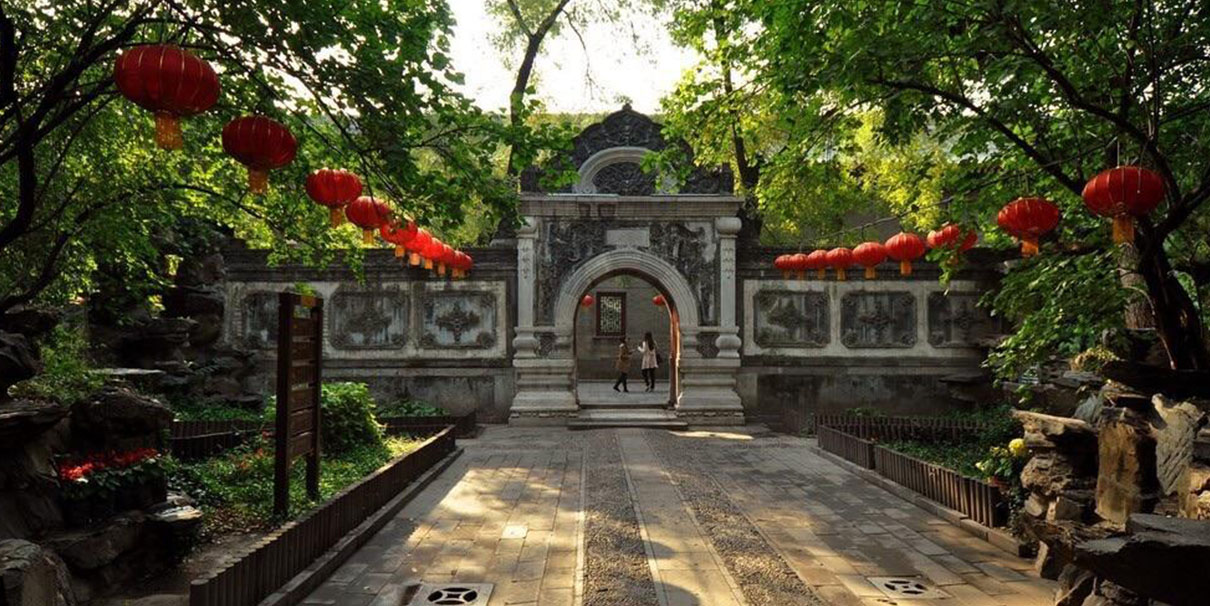
The garden in Prince Gong's Mansion is named Cuijin. The garden covers 28,000 square meters and is surrounded by man-made hills on four sides. The main peak, constructed from Taihu rocks, is in the north. The garden has an arched stone gate in typical Western architectural style, and upon entering the garden, one can see the five-meter high Dule Peak, which is a rock procured from Lake Tai in southern China. Behind it is the Bat Pond. Beyond the pond stands the Anshan Hall and opposite, at the center of the garden, is a hill bearing a stone tablet inscribed with the Chinese character "fu" (happiness) in the calligraphy of Emperor Kangxi (1662-1723). Behind the hill are masterpieces of garden architecture, with more than 20 scenic spots.

In addition to its artificial hill, trees, flowers, pavilions and terraces, the garden also contains the unique feature of its own theater. The theater of the Prince Gong Mansion is lofty and spacious. On the walls there are Chinese wisteria and green leaves painted, giving the audience the feeling they are sitting beneath trellises. The floor is paved in pseudo-gold brick, and the seats consist of old-fashioned wooden armchairs furnished with square tables. The performers and the audience are in close proximity, so there is no need for audio amplifying equipment. Here, people can enjoy Kunqu, Peking Opera and imperial music, a unique experience full of Qing historical significance.

There are various cultural exhibitions held in the Mansion of Prince Gong, such as painting exhibition, furniture and porcelain exhibitions. Furniture of Ming and Qing Dynasty exhibition in Xijinzhai covers partition walls and furniture made in the Ming and Qing Dynasty. Mansion Cultural Exhibition in Yin’an Hall collects some antiques and profiles preserved in the Palace Museum, and there are the National Museum, and Beijing Art Museum too.

/uploads/main/litimg/2019-03-25/5c9843a83acbc.jpg /uploads/main/litimg/2019-03-25/5c9843a83d2e1.jpg,/uploads/main/litimg/2019-03-25/5c9843a87295f.jpg,/uploads/main/litimg/2019-03-25/5c9843a8a6529.jpg,/uploads/main/litimg/2019-03-25/5c9843a8d54a8.jpg,/uploads/main/litimg/2019-03-25/5c9843a911129.jpg,/uploads/main/litimg/2019-03-25/5c9843a9413bb.jpg 0,0,0,0,0,0,0,0,0,0
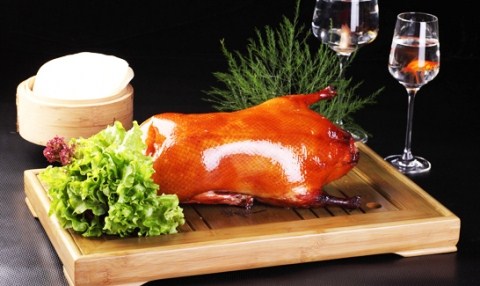
Peking Roast Duck

Peking Roast Duck

$55 For 1 people

Peking Roast Duck

Peking duck, also known as Peking Roasted Duck or Beijing Kaoya, is a dish of great antiquity from Beijing that can trace back to the imperial era. Nowadays, Peking Duck had become one of the specialties of the capital and a national symbol of China, favored by tourists and diplomats alike. For instance, Henry Kissinger, the former Secretary of State of the United States, came to savor this cate, during his two visits to China in 1971 and in 1976. It has also been a favorite delicacy for various political leaders ranging from Cuban Fidel Castro to former German chancellor Helmut Kohl.


The delicacy is characterized by its crisp skin shining date-red in color and tender texture, with authentic versions serving mostly the skin and little meat, sliced in front of the diners by the cook. The hot Peking Roast Duck will be brought to the dining table by the chef where he will slice it into more than 100 thin flakes, each having its piece of crispy skin. The meat is often eaten with spring onion, cucumber and sweet bean sauce with pancake rolled around the fillings. Sometimes pickled radish is also inside, and other sauces can be used. The remaining duck with meat and bones can be cooked in three ways. The traditional way is to be cooked into a broth. The meat together with bones can also be stir-fried with sweet bean sauce, or rapidly sautéed and served with salt and Sichuan pepper.


Besides the traditional one, many restaurants offer an All Duck Banquet - various dishes cooked with the offal and juices of the duck, surrounding the main dish. It will be sure to give you satisfaction and enjoyment when dining.


Duck has been roasted in China since the Southern and Northern Dynasties(386-589). Up until the Southern Song Dynasty (1127-1279), ducks were roasted in the area around Jinling (ancient name for Nanjing). A variation of roast duck was prepared for the Emperor of China in the Yuan dynasty(1271-1368). The Peking Roast Duck that came to be associated with the term was fully developed during the later Ming dynasty when the rulers moved their capital city to Beijing from Jinling and by then, Peking Duck was one of the main dishes on imperial court menus and was highly regarded by emperors and other members of the ruling classes. By the Qianlong Period (1736–1796) of the Qing dynasty, the popularity of Peking Duck spread to the upper classes. The first restaurant specializing in Peking Duck, Bianyifang, was established in the Xianyukou, close to Qianmen of Beijing in 1416.


Preparation


Raising the duck

Newborn ducks are raised specially in a free range environment for the first 45 days of their lives, and force fed 4 times a day for the next 15–20 days, resulting in ducks that weigh 5–7 kg. The force-feeding of the ducks led to an alternate name for the animal, Peking Stuffed Duck. 


Seasoning the duck

A suitable fattened White Beijing Ducks are slaughtered, plucked, eviscerated and rinsed thoroughly with water. Air is pumped under the skin through the neck cavity to separate the skin from the fat. The duck is then plunged in boiling water for 1 to 5 minutes, then hung to dry. This will tighten the skin and help the duck to achieve its traditional crispy texture. The duck is then glazed with a layer of potentially spiced and flavored maltose syrup. A marinade of traditional flavorings, including soy sauce and five-spice powder, and more maltose, is then applied inside the body cavity. This will flavor the duck during the next step. The duck is then left to dry for between 24 hours and several days in a cool, dry place, which allows the skin to crisp while roasting.


Roasting the duck

Hitherto, there are two traditional schools of cuisine for the duck cooking, namely closed oven and hung oven.


Closed-oven style

Peking duck is originally roasted in a conventional closed oven, allowing the meat to be slowly cooked through the convection of heat within the oven. Controlling the fuel and the temperature is the main skill. In closed-oven style, duck meat is combined well with the fat under the skin, and therefore is juicy and tender.


Hung-oven style

The hung oven, also known as open oven, was developed in the imperial kitchens during the Qing Dynasty. It is designed to roast up to 20 ducks at the same time with an open fire fueled by fruit hardwood from peach or pear trees. The ducks are hung on hooks above the fire and roasted at a temperature of 270 °C (525 °F) for 30–40 minutes. While the ducks are roasting, the chef may use a pole to dangle each duck closer to the fire for 30-second intervals. By the means of hung oven, the fat is usually melted during the cooking process, so the skin is more crispy.


The initial technique has been perpetuated by very few restaurants among which the household name Bianyi Fang is the representative. The second method is relatively well-known and used with great success by the notable Quan Ju De Restaurant, first established in 1864, which won the China Renowned Trademark as well.

/uploads/main/litimg/20150820/20150820165034.jpg /uploads/main/litimg/2019-03-22/5c9498d6dc4c7.jpg,/uploads/main/litimg/2019-03-22/5c9498d6dd7da.jpg,/uploads/main/litimg/2019-03-22/5c9498d6deebd.jpg,/uploads/main/litimg/2019-03-22/5c9498d6e01d0.jpg,/uploads/main/litimg/2019-03-22/5c9498d6e14e3.jpg,/uploads/main/litimg/2019-03-22/5c9498d6e2f97.jpg 55,48,40,38,35,35,35,35,35,30
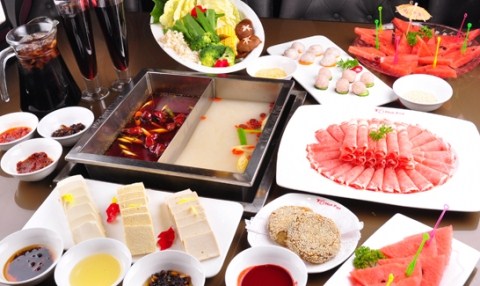
Hot Pot

Hot Pot

$45 For 1 people

Hot Pot

  Hot pot, and the less common Chinese fondue, refer to several East Asian varieties of stew, is ke consisting of a simmering metal pot of stock at the center of the dining table. While the hot pot .is kept simmering, ingredients are placed into the pot and are cooked at the table. Typical hot pot dishes include thinly sliced meat, leafy vegetables, mushrooms, wontons, egg dumplings, and seafood. The cooked food is usually eaten with a dipping sauce. In many areas, hot pot meals are often eaten inn the winter.


       The Chinese hot pot boasts a history of more than 1,000 years.While often called "Mongolian hot pot", it is unclear if the dish actuall originated in Mongolia. Mongol warriors had been known to cook with their helmets, which they used to boil food, but due to the complexity and specialization of the utensils and the method of eating, hot pot cooking is much better suited to a sedentary culture. A nomadic household will avoid such highly specialized tools to save volume and weight during migration. Both the preparation method and the required equipment are unknown in the cuisine of Mongolia of today.
  Hot pot cooking seems to have spread to northern China during the Tang Dynasty (AD 618-906). In time, regional variations developed with different ingredients such as seafood. By Qing Dynasty, hot pot had become popular throughout most of China. Today in many modern homes, particularly in big cities, the traditional coal-heated hot pot has been replaced by electric,gas or electromagnetic cooker versions.
  Because hot pot styles change so much from region to region, many different ingredients are used.

/uploads/main/litimg/20150820/20150820170207.jpg /uploads/main/litimg/2019-03-22/5c94928d551d8.jpg,/uploads/main/litimg/2019-03-22/5c94928d568bc.jpg,/uploads/main/litimg/2019-03-22/5c94928d57bcf.jpg,/uploads/main/litimg/2019-03-22/5c94928d592b2.jpg,/uploads/main/litimg/2019-03-22/5c94928d5a5c5.jpg,/uploads/main/litimg/2019-03-22/5c94928d5c079.jpg 45,45,45,45,45,45,45,45,45,45

Beijng Acrobatic Show

$44 For 1 people

Normal Seating

Beijng Acrobatic Show

 Acrobatic art has a history of more than 2000 years in China. Beijing is the culture centre of China, we have professional literature and art organization, and we have gathered over 60 acrobatic artists who are the most famous in Beijing.The programs performed by us are ingeniously conceived,highly skilled  in a distinctive traditional Chinese style with a breathtaking,unique,humorous and funny performance.  

    Our troupe has been invited and performed in more than ten countries,such as England France,Germany,Australia,Holland,Belgium and Norway,where we were warmly welcomed and highly praised.This has promoted  not only the mutual understanding and friendship between the Chinese people and the people of other  countries but also the exchange and development of the acrobatic techniques both at  home and abroad.

World famous acrobatic shows in Beijing 

Unique and popular, Chinese acrobat shows combine the traditional Chinese performing arts with acrobat balancing acts. These are brilliantly performed by talented troupes, with members from around the world.

Chinese acrobats have their own style. This is one show you don’t want to miss! Book your tickets today and experience the artistic side of Beijing's exciting night life.


Inclusions                            

1:Show tickets

2:Hotel pick up arond 4pm, drop off back hotel at 7:30pm

Exclusions

Gratuities (optional)

Meal


/uploads/main/litimg/2019-03-22/5c945e686a18a.jpg /uploads/main/litimg/2019-03-22/5c945e686c3df.jpg,/uploads/main/litimg/2019-03-22/5c945e686dac2.jpg,/uploads/main/litimg/2019-03-22/5c945e686f1a6.jpg,/uploads/main/litimg/2019-03-22/5c945e6870c5a.jpg,/uploads/main/litimg/2019-03-22/5c945e687233d.jpg,/uploads/main/litimg/2019-03-22/5c945e6873a20.jpg 44,44,44,44,44,44,44,44,44,44 98,98,98,98,98,98,98,98,98,98

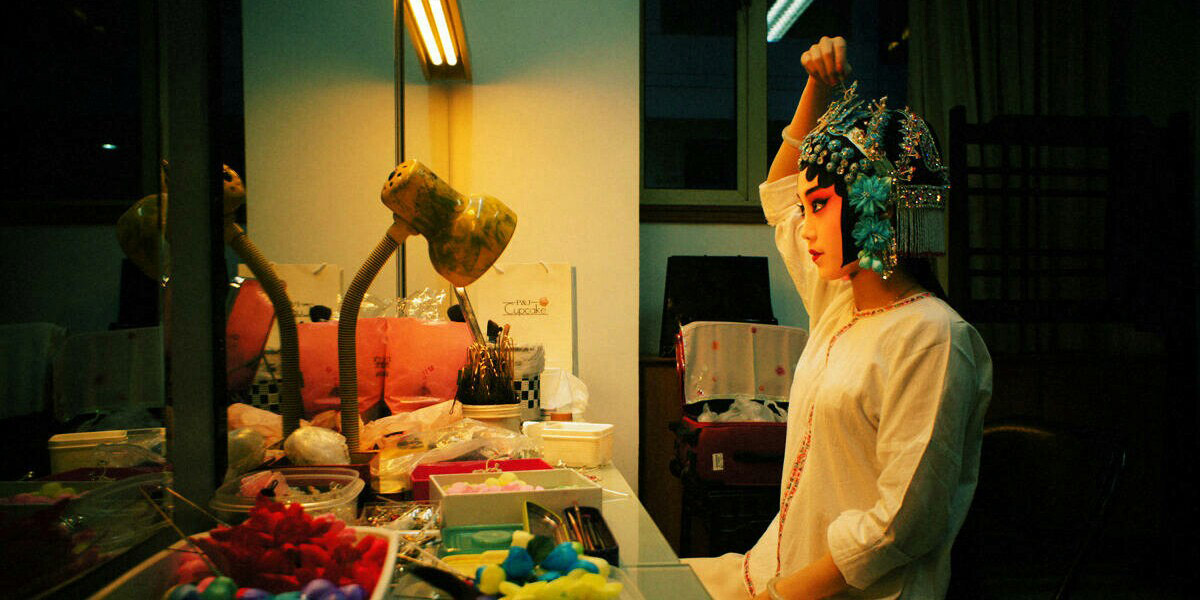
Peking Opera Show

$44 For 1 people

Normal Seating

Peking Opera Show

  Beijing opera or peking opera is a form of traditional Chinese theatre which combines music,vocal performance,mime,dance and acrobatics.It arose in the late 18th century and became fully developed and recognized by the mid-19th century.This form of theatre was extremely popular in the Qing dynasty court and has been regarded as one of the cultural treasures of China.Many performance groupes are based in Beijing and Tianjin in the north,and Shanghai in the south. The form of art is also seen in Taiwan,where it is known as guoju, and it has also spread to other countries such as the United States and Japan.


  Beijing opera features four main types of performers,Performing groupes often have several of each or combined. Performers are the only focal points on the stage.They utilize the skills of speech,song,dance,and combat in movements that are symbolic and suggestive,rather than realistic. Performers also adhere to a variety of stylistic conventions that help audiences navigate the plot of the production.

  Channel CCTV-11 in Mainland China is currently dedicated to broadcasting classic Chinese opera productions,including Beijing opera.

Inclusions

1:Show tickets

2:Hotel transfer

3:If select VIP seat with fresh tea and snacks 

Exclusions

Gratuities (optional)

Meal


/uploads/main/litimg/2019-03-22/5c945fac53af5.jpg /uploads/main/litimg/2019-03-22/5c945f75eea83.jpg,/uploads/main/litimg/2019-03-22/5c945f75f0166.jpg,/uploads/main/litimg/2019-03-22/5c945f75f1849.jpg,/uploads/main/litimg/2019-03-22/5c945f75f2f2d.jpg,/uploads/main/litimg/2019-03-22/5c945f76003d0.jpg,/uploads/main/litimg/2019-03-22/5c945f7601ab3.jpg 44,44,44,44,44,44,44,44,44,44 98,98,98,98,98,98,98,98,98,98

Chinese Kungfu Show

$45 For 1 people

Normal Seating

Chinese Kungfu Show

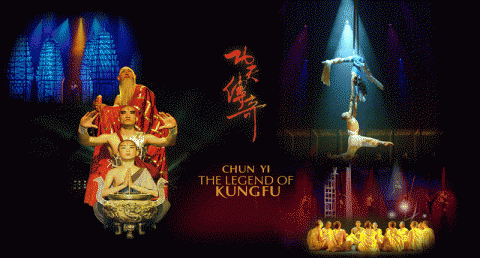
The Legend of Kungfu is a Live performance presented by China Heaven Creation International Performing Arts Co., Ltd. (CHC) -- China's leading performance art production company, every night at Red Theatre. A group of the best Kung Fu practitioners of China are collected and the best directors and designers of the country are invited by CHC.


The show is about storytelling that a little boy from a very poor family whose mother was unable to provide for him and decided to send her son to a temple to be a monk and learn kungfu. The diligent student monk was initiated into the temple, learning Buddhism and Kungfu. The theme of the story is full of trials and tribulation of being a monk and the worldly temptations through his monkhood. He had a hard time getting used to the strict discipline of the temple and could not restrain his natural desire to chase a young beauty, so he suffered great regret and losing his way to self-cultivation. He punished himself severely and finally came back full circle to be the temple, attaining enlightenment. He became interested in the unbelievable power of Kung Fu, in which he must face many obstacles both from this world and his own mind to overcome his fears.


The fusion of modern dance with Chinese traditional martial arts makes this performance unique and spectacular, presenting stunning Kung Fu skills, exquisite ballet, splendid acrobatics and wonderful music, along with brilliant stage scenery, acoustic and light effect. With no speaking of the actors, there is an electronic screen displaying the show's subtitles in English above the stage to keep you informed of the storyline. After the show, the audience can also take photos with the main actors.

The show made its first appearance on the Beijing stage in July 15th, 2004. Ever since it has received numerous awards and become a world-class spectacle known around the world. If you are an enthusiast of Chinese Kung Fu, who would like to explore the real Chinese martial arts and culture, you definitely should not miss this excellent show of the prestigious Chinese Kung Fu.


China has one of the longest histories of continuously recorded martial arts tradition in the world. The Chinese Kung Fu is popular terms with Chinese martial arts, tracing its origins back some 4000 years ago to self-defense needs, hunting activities and military training in ancient China. In the long course of development, the Kung fu's purpose from self-defense to health maintenance and finally as method of self-cultivation. Kung Fu requires of the practitioner a strict code of physical and mental discipline. A common saying concerning basic training in Chinese martial arts is as follows: Train both Internal and External. External training includes the hands, the eyes, the body and stances. Internal training includes the heart, the spirit, the mind, breathing and strength. In addition, philosophy, ethics and even medical practice are highly regarded by most Chinese martial arts, which provides insight into Chinese attitudes and culture.

/uploads/main/litimg/2019-04-26/5cc25e0db7185.gif /uploads/main/litimg/2019-03-22/5c947c5895400.jpg,/uploads/main/litimg/2019-03-22/5c947c5896ae3.jpg,/uploads/main/litimg/2019-03-22/5c947c5897df6.jpg,/uploads/main/litimg/2019-03-22/5c947c58994d9.jpg,/uploads/main/litimg/2019-03-22/5c947c589a7ec.jpg,/uploads/main/litimg/2019-03-22/5c947c589becf.jpg 45,45,45,45,45,45,45,45,45,45 98,98,98,98,98,98,98,98,98,98

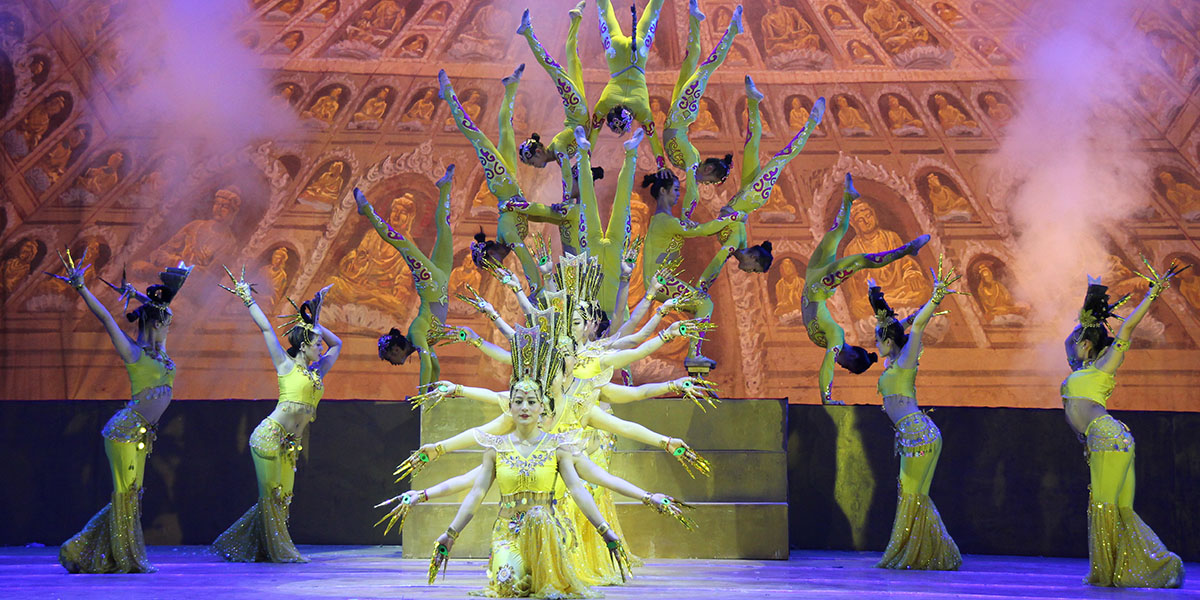
Golden Mask Dynasty Show

$60 For 1 people

Normal Seating

Golden Mask Dynasty Show

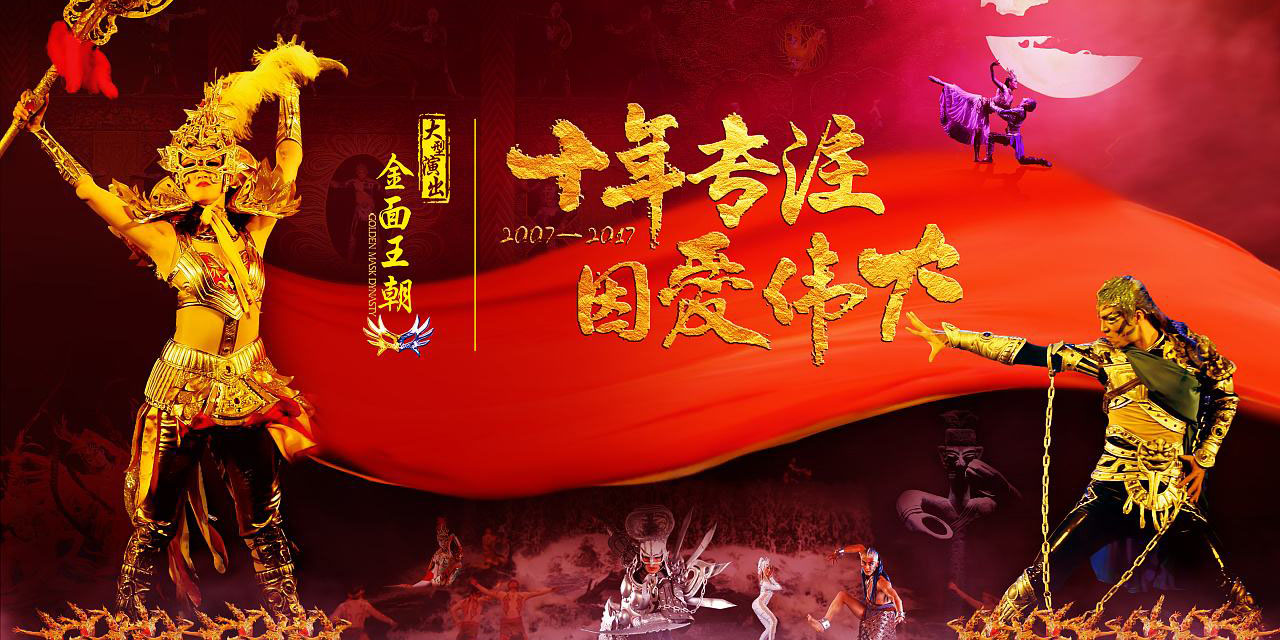
  An original Chinese play, "The Golden Mask Dynasty," was held August 16 at OCT Theater in Beijing Happy Valley. This play was sponsored by Overseas Chinese Town, OCT, which invested 200 million yuan into building the OCT Theater for the play.

  Set in the Golden Mask Dynasty, a legendary age in China, the story tells how a queen, who wears a golden mask, creates a splendid dynasty. The play has eight chapters and includes more than 200 actors from China and abroad. Produced by Chinese playwrights, directors and designers, the play features Chinese dances, acrobatics, costumes, and lighting and acoustics.

  The Golden Mask Dynasty is a mythical age, and the play tells a fairy-tale like story of war, royal banquets, and romance. The play has 20 different dance scenes, ranging from war scenes to romance. The director invited composers Liu Gangbao and Li Cangsang to compose the music jointly. Composer Zhang Qianyi, who wrote the "Qinghai-Tibet Plateau," composed the theme song "The Words of Love" for the Golden Mask Dynasty, and vocalist Tang Jing sang the song. The play's wardrobe designers were inspired by the Sanxing Mound relics. They used blue and gold as the play's main colors, representing yin and yang, men and women, and heaven and earth. They created more than 500 costumes.

Inclusions

1:Show tickets

2:Hotel pick up at 4pm, drop off at hotel at 8:30pm

Exclusions

1:Gratuities (optional)

2:Meal


/uploads/main/litimg/2019-03-22/5c947aebbb289.jpg /uploads/main/litimg/2019-03-22/5c947aebbd4de.jpg,/uploads/main/litimg/2019-03-22/5c947aebbef92.jpg,/uploads/main/litimg/2019-03-22/5c947aebc0675.jpg,/uploads/main/litimg/2019-03-22/5c947aebc2129.jpg,/uploads/main/litimg/2019-03-22/5c947aebc380d.jpg,/uploads/main/litimg/2019-03-22/5c947aebc52c1.jpg,/uploads/main/litimg/2019-04-23/5cbe88eb66851.jpg,/uploads/main/litimg/2019-04-23/5cbe88eb67f35.jpg,/uploads/main/litimg/2019-04-23/5cbe88eb69618.jpg 60,60,60,60,60,60,60,60,60,60 98,98,98,98,98,98,98,98,98,98

Inclusions & Exclusions

Booking Notes

Includes

Entrance fee

English speaking tour guide

Airport transfer

Lunch as the tour itinerary

A bottle of mineral water per day

Airport transfer 

Excludes

Tip to the guide and driver

How to Choose Tour Type?
Affordable Group Tour:

Our small group tour is around of 15 peoples picked up from different hotels. Suitable for tourists with limited budget and who would like to travel with others from different countries.

Best Value Private Tour:

More flexible and time saving.No need to wait for other tourists.Flexible schedule . Possible to be customized for your own itinerary. A privet tour guide and air-conditioned vehicle will be at your service.

How to Book:

1. You can book online, choose to pay the deposit or full payment. We accept payment by PayPal, Credit Card, Wechat and Bank Transfer. After booking, we will send you a booking confirmation email.

2. When you arrive at the departure city, the exactly pick up time will inform by your tour guide though your hotel one night before your tour date.

3.Pick-up Service: To ensure the morning pick-up going smoothly as scheduled, we suggest you choose downtown hotels within the fourth ring road of the city. An additional transfer fee will be incurred if your hotel is outside the above mentioned area. If your hotel is located in a narrow lane or an apartment block, we suggest you find the nearest hotel on the main street as your pick-up point.

Cancellation Policy:

If you cancel at least 7 day(s) in advance of the scheduled departure, there is no cancellation fee.

If you cancel between 3 and 6 day(s) in advance of the scheduled departure, there is a 50 percent cancellation fee.

If you cancel within 2 day(s) of the scheduled departure, there is a 100 percent cancellation fee.

Hotel, flight and train ticket fees are not refundable.

Got Question & Quick Answer

Submit

CONTACT INFO

PHONE:

+86-13683536536

EMAIL:

marcopolo@chinatoursnet.comWhatsApp:+86-13683536536iMessage:+86-13683536536

ADDRESS:

Room 208,Business Building AQiantongtian.Longgang Road,Haidian district,Beijing

WeChat:chinatoursnetSkype:chinatoursnet@outlook.com

WHY CHOOSE US

1:We are in Beijing

2:No hidden fees

3:Downtown hotel

4:professional tour guildes and drivers

5:Flexible tour time,private tour group,customized tour service

6:free mineral water

7:Guarantee enough visiting time

8:Guarantee your satisfactory with your choice

HELPFUL REFS

FOLLOW US ON WECHAT

JOIN US ON

©2013- Chinatoursnet.com

Hotel Description

Services & Amenities

Show More

Hotel Policies

Check-in & Check-out

  • Check-in from 14:00

Select Vehicle :

Passat

1-2 persons

Buick GL8

3-4 persons

Minivan

5-8 persons

Coaster Coach

9-13 persons

King Long Bus

14-35 persons

Total Price :
Sure

Wushu is an inherited technique of ancient military warfare

Price Per Person:

Total Price :
Sure